

Japanese sumac
- noun
- /ˈdʒæpəˌniːz ˈsuːmæk/
- The sap of the Japanese sumac is traditionally used to produce high-quality lacquerware.
Examples
-
Contact with the Japanese sumac can cause skin reactions due to its toxic exudate.
-
The Japanese sumac tree grows well in warm climates.
-
Many artisans value the Japanese sumac for its unique resin.
-
Many artisans prefer using Japanese sumac for their lacquer work.
-
Contact with the Japanese sumac can cause skin reactions due to its toxic exudate.
-
The sap of the Japanese sumac is traditionally used to produce high-quality lacquerware.
-
Many artisans value the Japanese sumac for its unique resin.
Synonyms

A small Asian tree whose sap makes a hard shiny finish for wood and can cause skin allergy

A small Asian tree that makes a poisonous sap used to make lacquer

A small East Asian tree that makes a poisonous sap used for lacquer
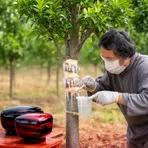
A small Asian tree that gives a poisonous sap used to make a hard shiny finish

A small Asian tree that gives a poisonous sap used to make lacquer

A small tree from East Asia that loses its leaves and has toxic sap used to make lacquer
Surface Forms
Morphology
Japanese + sumac
This is a straightforward adjective+noun composition: 'Japanese' marks origin and 'sumac' names a plant, so a learner who knows both words will infer it is a type/variety of sumac from Japan. The specialized botanical detail about toxic sap is extra encyclopedic information but does not prevent the core meaning being directly derivable from the constituents.
Etymology
Japanese sumac is the name for a small Asian tree; the word sumac refers to a tree with a sticky, poisonous sap that was collected by people who made 'lacquer'. Because the sap made a shiny finish and could cause skin rashes, the name now refers to this tree and its sap.

