

thysanopterous insect
- noun
- /θaɪˈzænəˌpɪtərəs ˈɪnˌsɛkt/
- Specialized
- When examined under a microscope, the wings of a thysanopterous insect reveal a delicate fringe along the edges.
Examples
-
A thysanopterous insect can cause significant damage to crops by feeding on their leaves and flowers.
-
Many gardeners struggle to control populations of thysanopterous insects in their greenhouses.
-
A thysanopterous insect can often be found on flowers.
-
Many thysanopterous insects are known for their unique feeding habits.
-
Many gardeners struggle to control populations of thysanopterous insects in their greenhouses.
-
A thysanopterous insect can cause significant damage to crops by feeding on their leaves and flowers.
-
When examined under a microscope, the wings of a thysanopterous insect reveal a delicate fringe along the edges.
Synonyms


 1
9.9
1
9.9
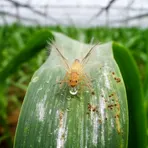
A small thin insect with fringed wings that feeds on plant sap and can damage crops

A small insect with a thin body and fringed wings that feeds on plant sap, called a thrips
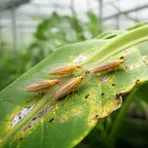
Small thin insects with narrow wings that eat sap and damage plants
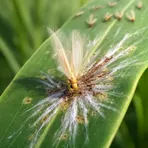
A very small insect with fringed wings that damages plants
Surface Forms
Morphology
thysanopterous + insect
This is a simple adjective + noun composition: if a learner knows 'thysanopterous' (meaning ‘having fringed wings’ / belonging to Thysanoptera) and 'insect', the phrase literally means 'an insect with fringed wings' or 'an insect of the Thysanoptera order', so the meaning is directly derived from the parts. Note that 'thysanopterous' is a technical, rare term unlikely to be known by a typical B1 learner, but given the condition that all constituents are known the MWE is fully compositional.
Etymology
Thysanopterous insect comes from two ancient Greek parts: thysano- meaning 'fringe' and -pterous meaning 'wing'. It refers to very small, thin insects whose wings have a row of tiny hairs, so the name helps you remember they have 'fringed wings'.