

thysanopteron
- noun
- /θaɪˈzænəptərən/
- Specialized
- A severe infestation of thysanoptera can cause damage to crops and ornamental plants.
Examples
-
The thysanopteron is often found feeding on plant sap in greenhouses.
-
Scientists studied the lifecycle of a thysanopteron under controlled laboratory conditions.
-
The thysanopteron is known for its unique wing structure.
-
Did you know that a thysanopteron can reproduce rapidly?
-
A severe infestation of thysanopteron can cause damage to crops and ornamental plants.
-
Scientists studied the lifecycle of a thysanopteron under controlled laboratory conditions.
-
The thysanopteron is often found feeding on plant sap in greenhouses.
Synonyms


 1
9.9
1
9.9
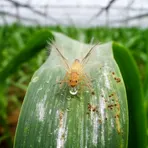
A small thin insect with fringed wings that feeds on plant sap and can damage crops
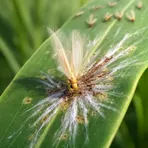
A very small insect with fringed wings that damages plants
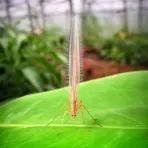
A small thin insect with narrow wings that have tiny hairs on the edges
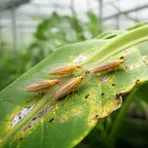
Small thin insects with narrow wings that eat sap and damage plants
Surface Forms
Morphology
thysanopteron = thysan + pteron
The term is built from Greek combining forms that are not standalone English morphemes, so an average learner cannot derive the meaning from the visible parts.
Etymology
Thysanopteron comes from the Greek parts thysanos ('fringe') and pteron ('wing'), so it means 'fringed wing'. A helpful way to remember it is to picture a tiny insect with thin bodies and wings like a small feather or the fringe on a curtain, which explains why these insects are called thrips.