

thrip


 1
9.9
1
9.9
- noun
- /θrɪp/
- Specialized
- About 26 percent of the orchid growers that Hollingsworth and co-researchers surveyed in Hawaii said they scout their orchids for thrips.
- species of thrips
- insects called thrips
Examples
-
Growers of anthuriums must be on the alert for banana rust thrips.
Academic text (2000) -
Biologist Robert Hollingsworth examines Dendrobium orchid flowers to determine how thrips are typically distributed in this crop.
Academic text (2000) -
Their decision of whether or not to spray plants may be based on how many thrips they find.
Academic text (2000) -
Orchid color plays a role in attracting thrips.
Academic text (2000) -
For example, we know aphids and thrips have enough natural enemies out there that they should not pose a significant threat to orchards.
Academic text (1995) -
Because the small, winged insects are difficult to detect, biologist Robert Hollingsworth has improvised traps to determine how many adult thrips are emerging from the soil beneath anthurium flowers.
Academic text (2000) -
Many farmers struggle with thrips, which can cause significant damage to their crops.
-
The gardener placed insect nets to protect her plants from thrips and other pests.
-
After noticing the leaves wilting, the farmer discovered that thrips had infested his tomato plants.
Synonyms
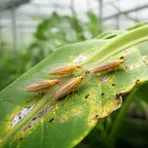
Small thin insects with narrow wings that eat sap and damage plants

A small insect with a thin body and fringed wings that feeds on plant sap, called a thrips
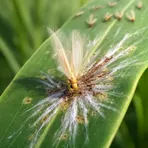
A very small insect with fringed wings that damages plants
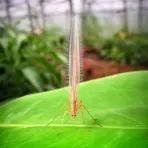
A small thin insect with narrow wings that have tiny hairs on the edges

Very small insects with thin feathery wings that eat plant sap and damage crops
Surface Forms
Etymology
The word thrip is related to the common name thrips, a tiny insect with narrow, fringed wings. A helpful way to remember it is to imagine the little bug 'sipping' plant sap with a thin mouth, which explains why thrip refers to a small pest that can damage plants.