
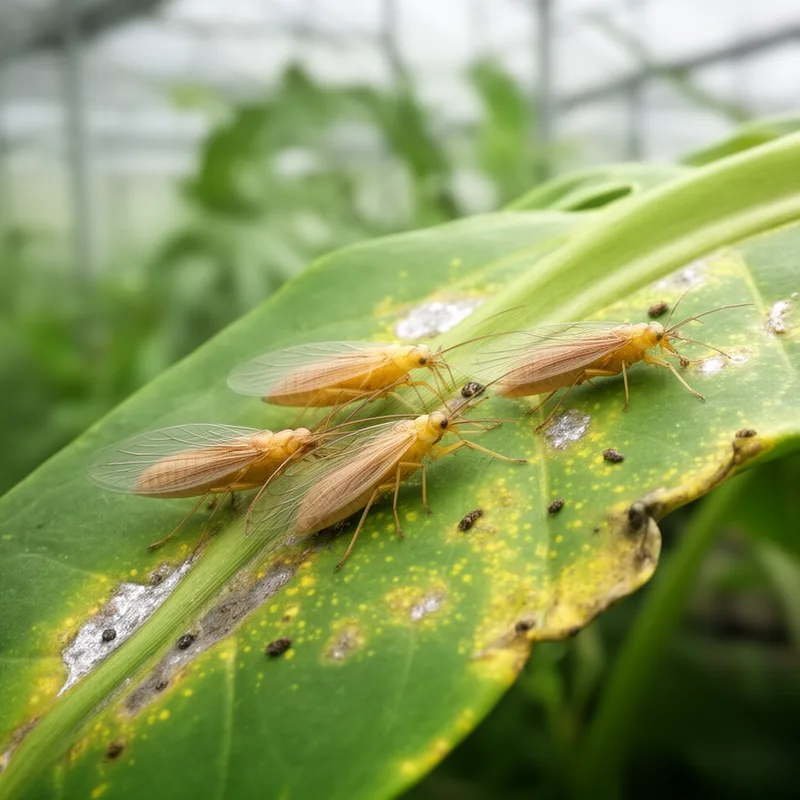
thrips
- noun
- /θrɪps/
- Specialized
- The leaves were damaged by a large number of thrips feeding on their sap.
Examples
-
When a single thrips is found, it can quickly multiply and harm plants.
-
A gardener may use natural predators to control thrips infestations in greenhouses.
-
Look out for thrips!
-
The thrips damaged my tomato plants.
-
A gardener may use natural predators to control thrips infestations in greenhouses.
-
The leaves were damaged by a large number of thrips feeding on their sap.
-
The thrips caused significant damage to the flowers in the garden.
Synonyms


 1
9.9
1
9.9
A small thin insect with fringed wings that feeds on plant sap and can damage crops

Very small insects with thin feathery wings that eat plant sap and damage crops

A small insect with a thin body and fringed wings that feeds on plant sap, called a thrips
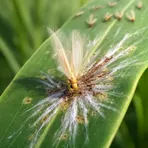
A very small insect with fringed wings that damages plants
A small thin insect with narrow wings that have tiny hairs on the edges
Compounds

- Specialized
A small insect that eats onion plants and sometimes tobacco, damaging crops


Surface Forms
Etymology
The word thrips comes from an old Greek word θρίψ meaning 'woodworm' or 'wood-boring insect'. That's a useful image: these are very small bugs that feed on plant parts and can damage leaves and crops.