
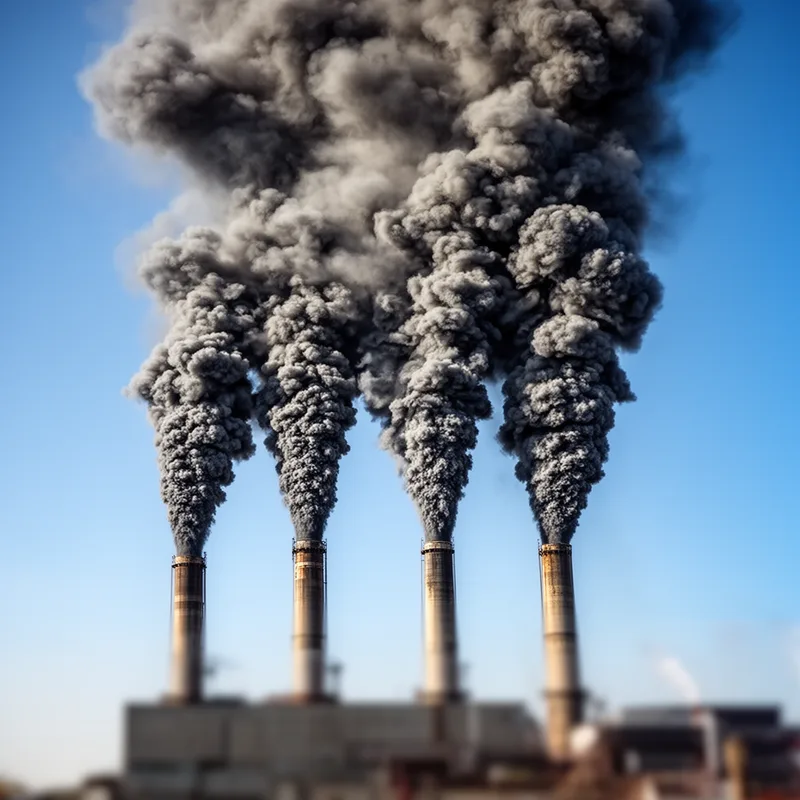
to spew out
 15
5.9
15
5.9

- phrasal verb
- /spjuː aʊt/
- The volcano erupted violently, spewing out ash and lava that blanketed the surrounding area.
- volcanoes spew out
- water spewed out
- spew out huge amounts
Loading YouTube…
Watch on YouTubeThey're emotional and they're going to constantly spew out stupidity.
- They're emotional and they're going to constantly spew out stupidity.
- I also would not want to be spewing out stuff just to hopefully get a viral clip.
- So the amount of of pollution spewing out the back of a car today is much, much less than it was in the past.
- But that's just all the kind of vague, nonspecific garbage we've been spewing out for decades that gets us nowhere.
- It did spew out a few floss of cotton candy.
- You're not fucking, like, spewing out, like smoke.
- And the people they're in their own personal shit is just spewing out.
- Because the new box also spews out more information and knowledge than than anything else in the world that sold it to you.
- So the things that I spew out are, are generic truths that may fortunately hit them because they're wildly true.
Examples
-
The explosion at the 1986 Chernobyl nuclear power plant in Ukraine spewed out tens of millions of curies of these isotopes.
Academic text (1999) -
All this while, Jody's truck was idling in the driveway, spewing out clouds of exhaust.
Fiction book (1990) -
Because the new box also spews out more information and knowledge than than anything else in the world that sold it to you.
-
But what about the content a given brand spews out on a daily basis?
Blog text (25) -
So the amount of of pollution spewing out the back of a car today is much, much less than it was in the past.
-
Five hundred feet above them, the column of water spewed out the great raft.
Fiction book (1992) -
Systems fail by spewing out large amounts of garbage.
-
So the sun kind of spews out particles and radiations and solar wind.
-
Thousands of pages spewed out of the journal when the binding snapped.
Fiction book (1992) -
Liquid green manure spewed out and cascaded off the ledge.
Fiction book (1997)
Synonyms
 102
5.1
102
5.1
To send out large amounts of something suddenly, like water or smoke
 34
5.0
34
5.0
Push out a substance, for example gas from a body or container
 26
3.6
26
3.6
Move out of a place suddenly in large numbers or fall out of a container and spread
 23
3.2
23
3.2
To remove liquid with a pump or make many things quickly
 20
4.1
20
4.1
Push a liquid or other substance out of something
 18
2.9
18
2.9
Move out of a building in large numbers
 16
2.9
16
2.9
Move or pour out in a steady stream, often a liquid
 12
3.7
12
3.7
To leave a place quickly in large numbers
 9
3.7
9
3.7
To flow out quickly and forcefully in a strong stream
 7
3.1
7
3.1
To come out suddenly in a strong stream
 7
8.1
7
8.1
Burst open and send out oil, gas, or water
 2
7.1
2
7.1
To flow out in large amounts

To send out something suddenly and strongly, like smoke or words

To come out freely, as a liquid, gas, or light

To flow out in large amounts, like tears or blood

To throw or spread something outward with force
Antonyms


How Much
26
3.2
 15
5.9
22
2.9
91
4.4
3
3.5
15
2.8
15
5.9
22
2.9
91
4.4
3
3.5
15
2.8
Surface Forms
Morphology
The verb 'spew' already means to forcefully emit or discharge, and the particle 'out' adds a clear outward/directional component, so the combined meaning 'to eject/send out forcefully' is directly derivable from the constituents. This compositional pattern (verb + out = forceful emission outward) is transparent and common cross-linguistically, making it readily understandable to a B1 learner who knows both words.
Etymology
Spew out comes from a strong picture: imagine a volcano or a broken pipe that spews smoke, water, or lava out in a sudden, messy rush. That's why it now means 'to send out something quickly and in large amounts', whether it is food, smoke, or even words and facts.