

sodium
 130
3.3
130
3.3

- noun
- /ˈsoʊdiəm/
- Specialized
- Processed foods often contain high levels of sodium, which can lead to health issues.
- sodium chloride
- sodium concentration
- sodium ions
Loading YouTube…
Watch on YouTubeIons like sodium rush across the pore.
- Ions like sodium rush across the pore.
- And when we're pregnant, our bodies need more sodium.
- So we've now had alterations in kidney function that changed how much sodium that we're we're holding onto.
Examples
-
Eating too much sodium can raise your blood pressure and cause other health concerns.
-
Tonight our soup is a lobster bisque, flavored with twice the recommended daily dose of sodium.
-
Too much salt and sodium, I think.
-
Aldosterone is responsible for increasing sodium and water levels in the blood.
Academic text (2011) -
Only if you agree to eat a low-sodium diet from now on.
-
Rapid urbanization is associated with increases in fat, sugar, and sodium in the diet.
Academic text (2011) -
We eat in general excess sodium and excess potassium.
-
Both species are a rich source of calcium, magnesium, sodium, and potassium.
Academic text (2015) -
Many athletes lose sodium through sweat and must replenish it during intense workouts.
Synonyms
 7
3.9
7
3.9
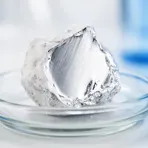
A chemical symbol for the soft, silvery metal sodium
Compounds

- Specialized
3
2.3
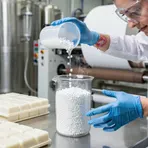
White crystals that make food taste salty and are used in industry
- Specialized
1
5.4
A strong white chemical people use to make soap and paper that can burn your skin



- Specialized
1
3.9
A white powder people use for cleaning and for making glass and soap

- Specialized
1
4.0
A white substance people use as a fertilizer and to make explosives


- Specialized

 1
3.4
1
3.4
A white powder used in baking, to make fizzy drinks, and to relieve heartburn
- Specialized
1
5.5
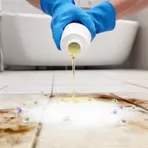
A chemical that bleaches and kills germs, used in household bleach
- Specialized
1
7.2
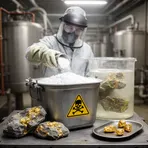
A very poisonous white chemical used in mining to get gold from rock

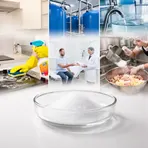
- Specialized
1
3.7
A white salt used as a laxative and in cleaners, food processing, and water treatment


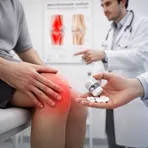
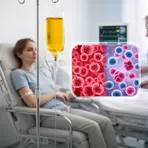
- Specialized
A medicine used to treat cancer and some immune system diseases by stopping cells from growing


- Specialized
A strong drug that makes a person sleep or relax and stops seizures

- Specialized
A white powder used to help with mild constipation in some medicines


- Specialized
A strong medicine given into a vein to make a person sleep for surgery

- Specialized
A fast-acting drug that makes people or animals unconscious for surgery

- Specialized
A white chemical salt that softens water and helps remove dirt in detergents


- Specialized
A white sticky powder used to make food and medicine thicker and hold ingredients together
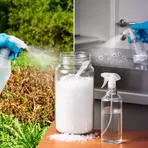

- Specialized
A white powder used in baking to make dough rise and to stop heartburn
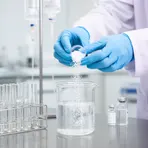

- Specialized
A chemical used in many shampoos and soaps that makes foam and can irritate skin

- Specialized
A red-orange salt that people use to help dyes stick to cloth and that is poisonous
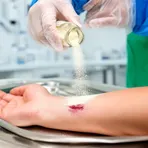

- Specialized
A white salt people put in water and toothpaste to help prevent tooth decay
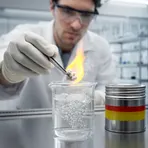
- Specialized
A very reactive chemical used as a strong base that reacts with water and can catch fire
- Specialized
A chemical used in soaps and detergents to help them clean and in foods to improve texture


- Specialized
A chemical used as a laxative and for cleaning or other industrial uses

- Specialized
A glass-like liquid that seals and protects things like concrete and preserves eggs
- Specialized
A white salt that dissolves in water and is used to fix photos and treat cyanide poisoning

- Specialized
A salt used in soaps and detergents to help them clean better

- Specialized
A light that gives a strong yellow glow often used for street lighting
Surface Forms
Etymology
Sodium comes from the word soda, a simple name for certain salts, and its chemical symbol Na comes from Latin natrium, which comes from natron, an old Egyptian 'natural salt'. So, sodium is the soft metal you find in table salt and in seawater.