

sodium dichromate
- noun
- /ˈsoʊdiəm daɪˈkroʊmeɪt/
- Specialized
- The laboratory uses sodium dichromate for dyeing textiles.
Examples
-
Many industries rely on sodium dichromate as an oxidizing agent.
-
The chemist ordered a new batch of sodium dichromate for the laboratory experiments.
-
Because of its toxicity, handling sodium dichromate requires proper safety precautions.
-
The factory uses sodium dichromate as a key ingredient in the dyeing process.
-
The factory uses sodium dichromate as a key ingredient in the dyeing process.
-
Many industries rely on sodium dichromate as an oxidizing agent.
-
The chemist ordered a new batch of sodium dichromate for the laboratory experiments.
Synonyms
 1
9.9
1
9.9

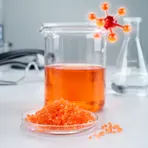
A salt that contains chromium and oxygen atoms and gives an orange solution

A red-orange salt used to fix dyes on cloth that is poisonous
How Hazardous
- Specialized

 1
7.2
1
7.2

- Specialized
- Specialized
- Specialized
- Specialized
3
2.3
Surface Forms
Morphology
The phrase literally names a sodium salt of the dichromate anion, so a learner who knows 'sodium' and 'dichromate' can infer it refers to a chemical compound composed of those parts. Chemical nomenclature is systematic and cross-linguistically similar, making the core compositional meaning transparent even if detailed properties (exact formula, color, industrial uses) require specialist knowledge.
Etymology
Sodium dichromate comes from its parts: sodium (a common salt), di- meaning 'two', and chromate from a word for 'color' because chromium gives bright colors. The name fits the chemical's red-orange crystals and its use in dyeing and other factory work.