
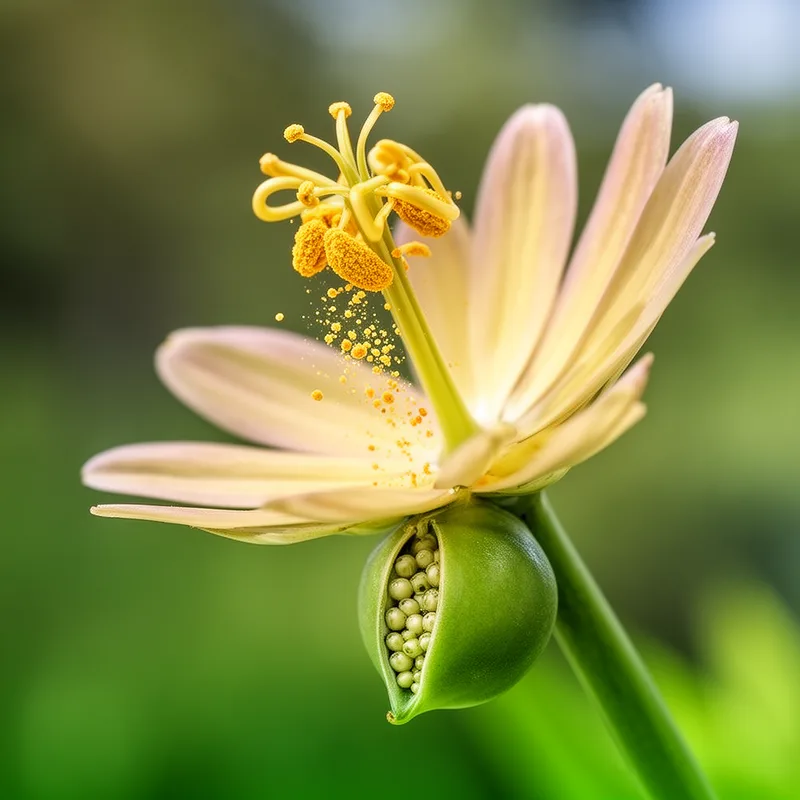
selfing
- noun
- /ˈsɛlfɪŋ/
- Specialized
- In hermaphroditic animals, selfing enables individuals to fertilize their own eggs, increasing reproductive success in isolated environments.
- Intragametophytic selfing
- selfing-intermediate model
Examples
-
After amplification by selfing, F2-derived populations were pooled and genomic DNA extracted and sequenced (see Materials and Methods and Figure 2).
Academic text (2017) -
Many flowering plants, such as some species of orchids, are capable of selfing, allowing them to reproduce without a mate.
-
Species that evolve in this fashion are likely to be characterized by low levels of genetic variation as a consequence of the selfing-intermediate stage.
Academic text (1996) -
Bisexual gametophytes of homosporous species appear likely to form new sporophytes by intragametophytic selfing (fertilizing their eggs with their own sperm).
Academic text (2002) -
Because eggs and sperm from a single gametophyte are genetically identical, intragametophytic selfing produces sporophytes that are 100% homozygous in a single generation, a condition that takes even obligately selfing heterosporous plants many generations to approach.
Academic text (2002) -
The ability of certain plants to undergo selfing helps ensure their survival in areas where pollinators are scarce.
Synonyms
When a plant or animal uses its own sperm and eggs to make young
A way a flower or plant makes seeds using its own pollen

A flower making seeds using its own pollen
Antonyms
- Specialized
The joining of an egg and sperm from different individuals of the same species
Surface Forms
Morphology
selfing = self (semi-transparent) = self + ing
The word is structurally clear as self + -ing, but the biological sense is specialized and not fully inferable for many learners.
Etymology
Selfing comes from self, which means 'the same person or thing', and the ending -ing, which turns a word into an action or process. So selfing is the process of an organism fertilizing 'itself'.

