
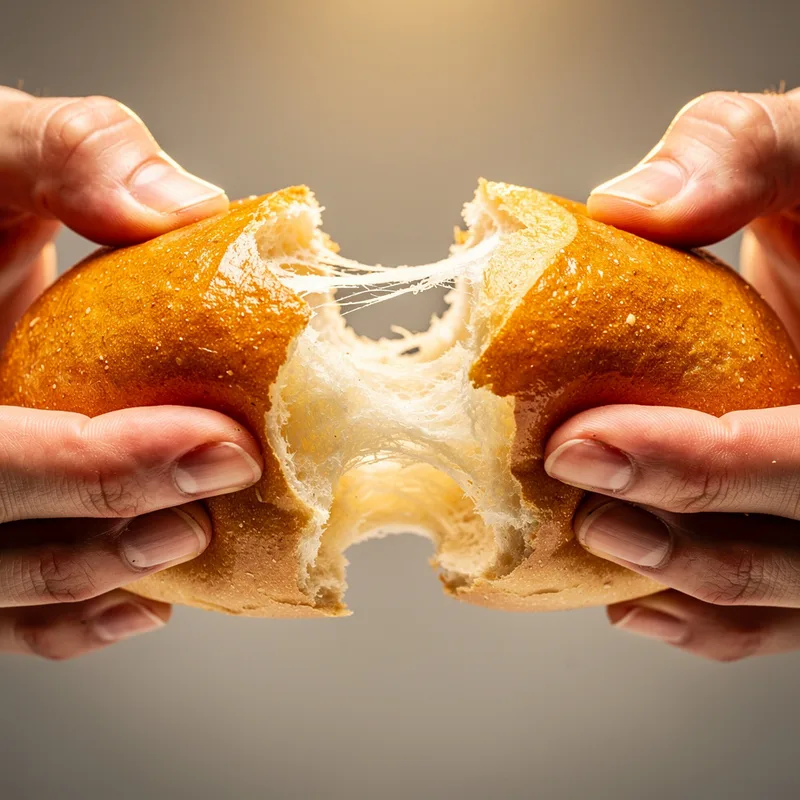
to pull apart
 21
3.2
21
3.2

- phrasal verb
- /pʊl əˈpɑrt/
- Either way, this isn't working and I need to pull the whole thing apart, so that sucks.
- pull the plates apart
Loading YouTube…
Watch on YouTubeI like to pull apart the braid a little bit.
- I like to pull apart the braid a little bit.
- It was just hollowed out and it'd been like pulled apart.
- And then both my thumbs pull it apart.
- And the question is, you know, how, how much can they be pulled apart?
- Like make sure we're seeing that, the food and the emotional response, like we're pulling those apart.
Examples
-
So let's just let's start pulling it apart and see what we got.
-
Some kid pulled apart two of the cables.
-
So you can kind of almost just pull it apart, really can.
-
- I'll have to pull it apart.
-
If you try to pull it apart, it's got great tear strength as well.
-
Just pull them apart and then shove it back in.
-
I like to pull apart the braid a little bit.
-
She's looking at the text and pulling it apart to see how it works.
Blog text (22) -
And then what I like to do is I like to slowly pull apart the braid just to widen it.
-
She carefully pulled apart the cardboard box to recycle it.
Synonyms
 ∞
1.0
∞
1.0
To pull something so it breaks into pieces
 680
1.1
680
1.1
To split something into parts or groups
 513
1.3
513
1.3
To break something into two or more parts
 297
1.9
297
1.9
To break into parts or pieces
 213
2.8
213
2.8
To separate something into smaller parts to explain or study it
 66
2.7
66
2.7
Separate something into smaller pieces
 64
4.2
64
4.2
Take something apart into separate pieces
 50
3.0
50
3.0
To separate something into parts so it can be moved or fixed
 47
2.6
47
2.6
To divide something into smaller parts
 39
2.7
39
2.7
To rip something into small pieces
 38
4.3
38
4.3
To come apart into threads, like a rope or cloth
 26
3.0
26
3.0
To separate into pieces, for example a machine or a group
 19
3.8
19
3.8
To take something apart into separate pieces
 11
6.7
11
6.7
To tear something into pieces or throw it away and start again
 9
9.0
9
9.0
To divide something into parts, often breaking a company or country
 8
2.8
8
2.8
To tear something into small pieces
 5
5.3
5
5.3
To disconnect two things that are joined, often machine parts
 4
6.7
4
6.7
Disconnect parts that were joined so they work independently
 1
7.0
1
7.0
To gently pull apart fibers or threads to separate them
 1
9.9
1
9.9
To cut or separate something into parts, often by breaking it

To tear something into separate parts, usually by force

To break something into many small pieces
Antonyms


How Complete

Surface Forms
Morphology
The sense 'to separate into pieces by pulling' is directly derivable from combining 'pull' (apply force) with 'apart' (into separate pieces). This verb + particle composition is a common, literal phrasal-verb pattern found across languages, so a B1 learner who knows both words will readily infer the meaning.
Etymology
Pull apart comes from a simple picture: someone uses their hands to pull something apart until it breaks into pieces. That's why it means 'to separate something into pieces'.