
hydrogen
 227
3.1
227
3.1

- noun
- /ˈhaɪdrədʒən/
- Specialized
- Two part hydrogen, one part oxygen, you'll get water every time.
- hydrogen atom
- hydrogen gas
- hydrogen fuel
Loading YouTube…
Watch on YouTubeWhat we did is to have more hydrogen and less oxygen.
- What we did is to have more hydrogen and less oxygen.
- Which is is dark where there are hydrogen gas clouds in space.
- So this table is carbon, hydrogen, oxygen, magnesium.
- And This is why we have elements like carbon, hydrogen, oxygen, etcetera now.
- Even have new hydrogen powered ships now.
- There is reason to think that one day we will move to hydrogen fuel cell cars.
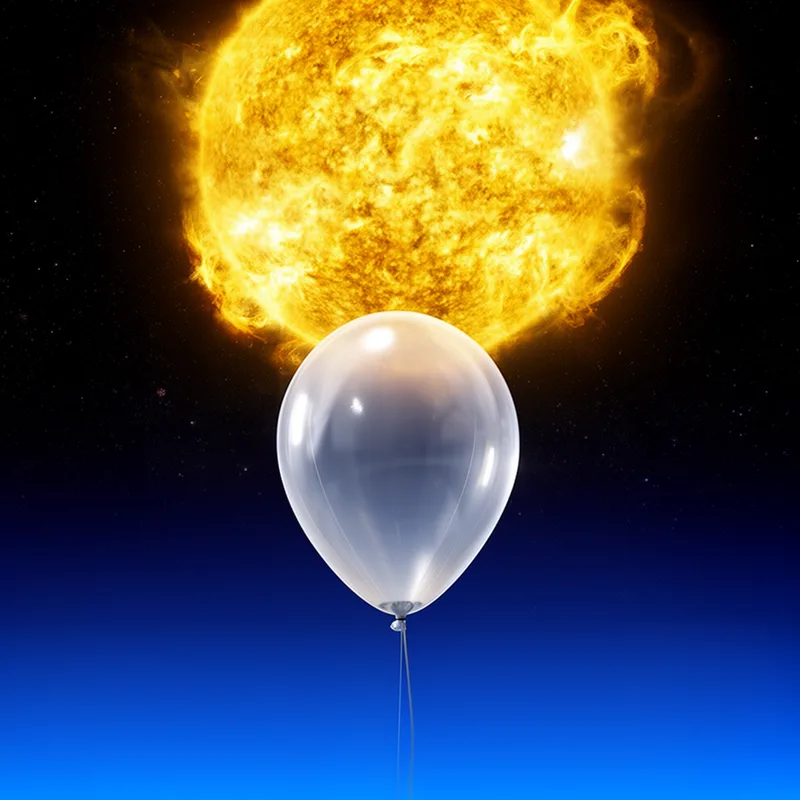
- So stars are basically conversion engines of hydrogen into helium.
Examples
-
We take on the water, electrolyze it, and use the hydrogen to run the fuel cells.
Fiction book (1999) -
Similarly, homeowners might produce hydrogen from rooftop solar cells and store it in the basement.
Academic text (1999) -
I fully support hydrogen cars.
-
What we did is to have more hydrogen and less oxygen.
-
How could you forget the hydrogen tank?
-
Like this is a hydrogen powered train.
-
Even have new hydrogen powered ships now.
-
What was the temperature at which hydrogen recombined?
-
At the other end, you have hydrogen, the lightest element.
-
The chemical symbol for hydrogen is H, and it is known for being a colorless and odorless gas.
Synonyms
 5
1.5
5
1.5
The symbol for hydrogen, the lightest gas
Compounds

- Specialized
8
4.9
A very powerful nuclear bomb that makes a huge explosion by joining hydrogen atoms

- Specialized
4
3.7
A clear liquid used to clean wounds, to bleach things, and to power rockets in strong form

- Specialized
1
4.1
A weak pull between a hydrogen atom in one molecule and oxygen or nitrogen in another

- Specialized
1
7.5
A very poisonous liquid or gas that smells of bitter almonds and can kill if breathed in


- Specialized
 1
7.6
1
7.6
A colorless poisonous corrosive liquid used in industry that forms hydrofluoric acid in water



- Specialized
A colorless gas with a sharp smell that makes a strong acid when mixed with water

- Specialized
A common chemical salt like baking soda that makes carbon dioxide with acid
- Specialized
A colorless gas that makes a strong acid with water and can burn skin
- Specialized
An electrode that has hydrogen on platinum and acts as a reference to measure voltage
- Specialized
A colorless strong-smelling gas that makes a strong acid when mixed with water
- Specialized
A tiny particle with a positive charge that is one proton from a hydrogen atom

- Specialized
The amount of hydrogen ions in a liquid that shows how acidic it is

- Specialized
A small negative particle that forms when sulfuric acid loses one hydrogen


- Specialized
A white powder used in baking to make cakes rise and keep egg whites stable

- Specialized
A white powder used in baking to make dough rise and to stop heartburn
How Energy-Dense

Surface Forms
Morphology
hydrogen = hydro + gen
Hydrogen is a real Greek-based scientific coinage meaning roughly 'water-former', but that historical motivation is not recoverable for an average learner from the modern form alone.
Etymology
Hydrogen comes from the Greek parts hydro- 'water' and -gen 'maker', and it shares the same root as generate. So think of hydrogen as a 'water maker' because when hydrogen burns with oxygen it makes water, which is why the element has that name.