
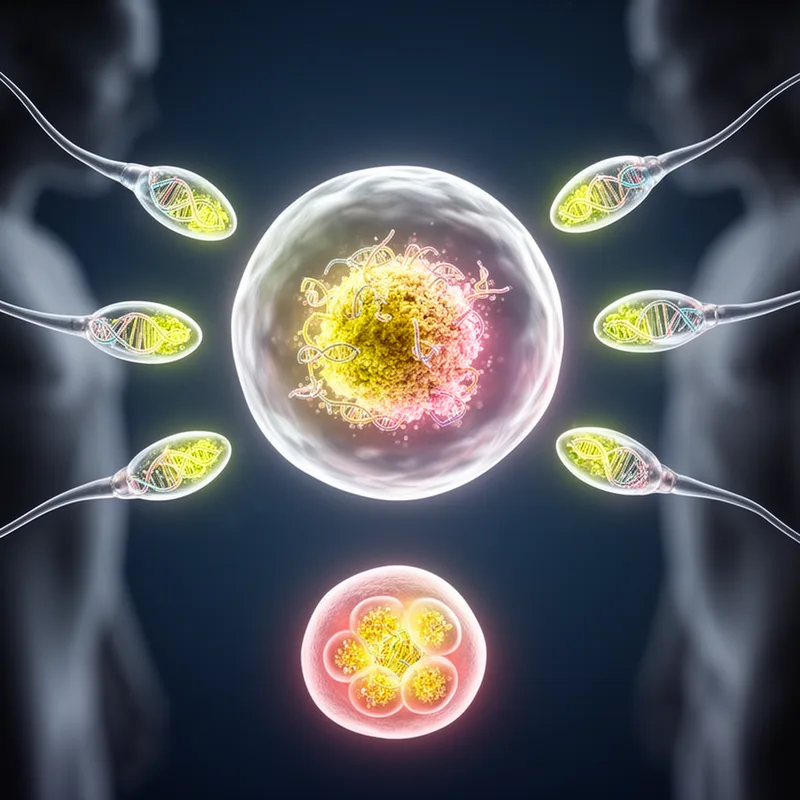
germ plasm
- noun
- /dʒɜrm plæzəm/
- Archaic
- Banked germ plasm can be used long into the future.
- germ plasm and embryos
- use of germ plasm
Examples
-
Weismann made clear the distinction between somatoplasm and germ plasm.
Academic text (1993) -
Usually, the concept of frozen repositories of biomaterials is associated with germ plasm and embryos.
Academic text (1997) -
Instead, "surplus" germ plasm would be collected, leaving the entire wild population in nature, where its presence helps to protect native habitat.
Academic text (1997) -
The two sacks contained germ plasm brought across light years, stored for centuries.
Fiction book (1998) -
In retrospect, a random sampling of germ plasm from the wild population before the disease epidemic.
Academic text (1997) -
Although this volunteer population may be a pathogenic reservoir for apple disease, it also represents a potential source of germ plasm for breeding new varieties of one of the state's most important crops.
Academic text (1991) -
For example, rather than transporting stress-sensitive wild animals from one site to another, genetic heterogeneity could be maintained by shipping germ plasm or embryos.
Academic text (1997) -
Plant pathologists, ecologists, and horticulturists have teamed up to salvage as much as possible of the population's germ plasm.
Academic text (1990) -
For these reasons alone, it is worth developing more grassroots programs in systematic sampling, storage, and use of germ plasm and biomaterials, especially for high-priority taxa.
Academic text (1997) -
The researchers collaborated to collect germ plasm from diverse plant species to enhance genetic variation.
Synonyms

 5
7.8
5
7.8

The living material inside a cell that includes its nucleus and the fluid around it
 1
9.3
1
9.3
Seeds, cells, or tissue that carry parents' traits for breeding and conservation
A part inside cells that early scientists thought carried inherited traits
A living fluid inside cells that holds genes and cell parts
Surface Forms
Morphology
The compound meaning is directly built from 'germ' (germ cell/embryonic cell) + 'plasm' (cellular protoplasm), so a learner who knows both constituents can infer it refers to the protoplasm of germ cells containing genetic material. This kind of scientific noun compound follows regular compositional morphology and is cross-linguistically paralleled, so the general sense is transparent even if technical details require specialist knowledge.
Etymology
Germ plasm comes from an old science idea: the word germ meant a tiny seed or cell that starts new life, and plasm meant the living material inside it. So germ plasm was the name for the living stuff in reproductive cells thought to carry 'heredity', and that is why today it refers to the part of those cells that passes traits to the next generation.