
plasm
- noun
- /plæzəm/
- Archaic
- Weismann made clear the distinction between somatoplasm and germ plasm.
- germ plasm
Examples
-
Shangtu's population hosted symbiotic green algae in their skin and germ plasm.
Fiction book (2000) -
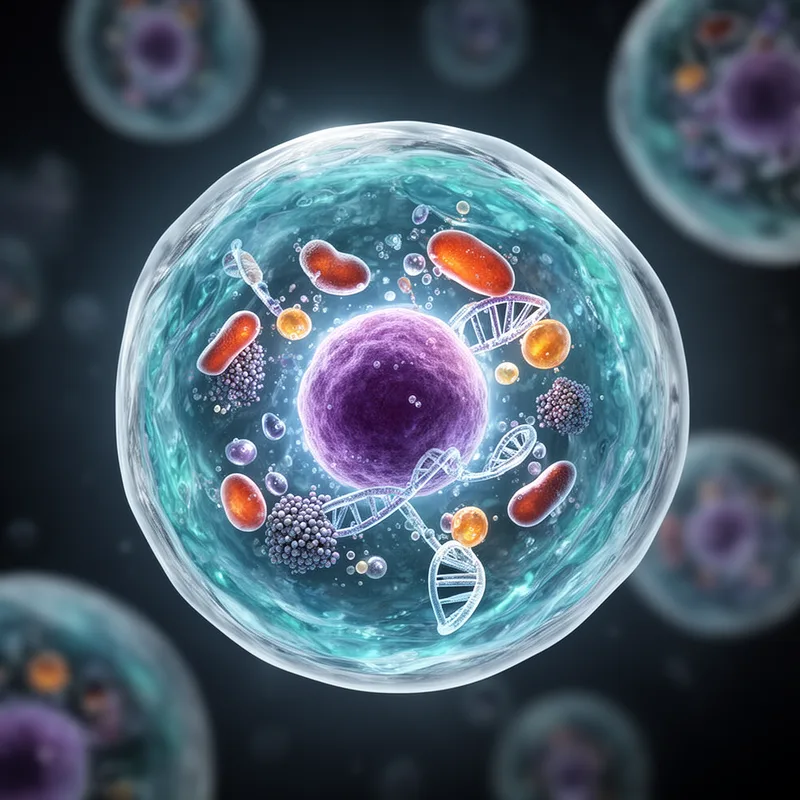
Under the microscope, the vibrant color of the plasm revealed the active processes happening inside the cell.
-
Ji agree is heat in general for like your typical sockomat plasm, it's going to be heat.
-
And once the the ions are heated, then then the whole cryogenic cylindrical plasm is expanding.
-
Scientists study the plasm within cells to understand how genetic information is transmitted.
-
The researchers focused on the plasm that contained essential nutrients for cellular growth and division.
Synonyms

 5
7.8
5
7.8

The living material inside a cell that includes its nucleus and the fluid around it

Material inside a living cell, including the jelly-like cytoplasm and the nucleus

The liquid inside a cell that contains dissolved substances the cell needs
Compounds

- Archaic
Living material in reproductive cells that contains genes and passes traits to offspring
Surface Forms
Etymology
Plasm comes from the Greek plasma, which means 'something formed', and it is the same root as plastic ('shapeable'). Inside a cell, the plasm is the living fluid that holds the genes and parts of the cell, so the name fits the material found inside cells.