
plasm


 1
7.6
1
7.6
- noun
- /plæzəm/
- Archaic
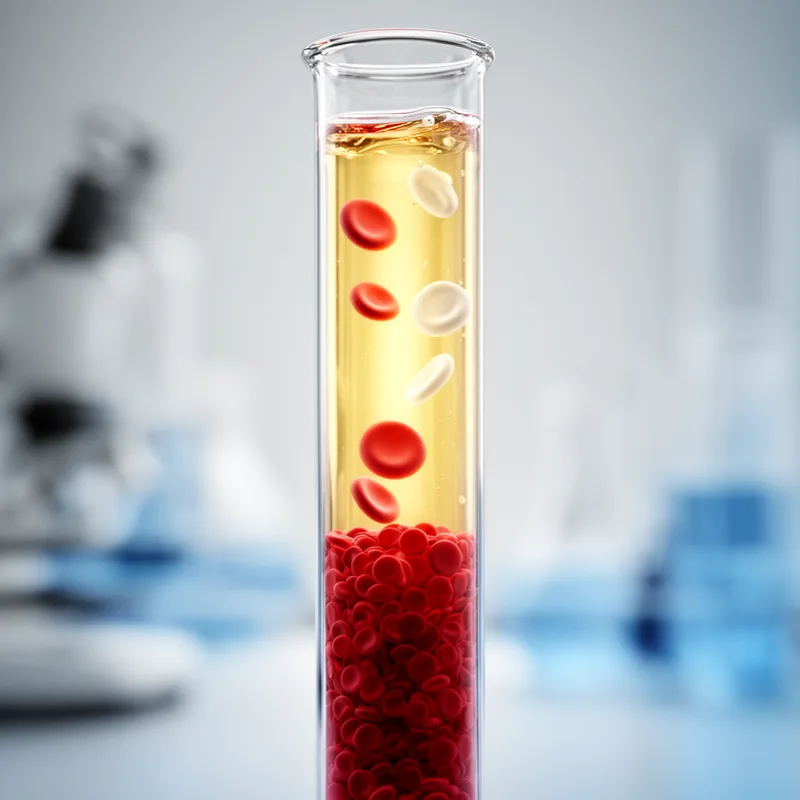
- By separating the plasm from the red blood cells, scientists can study the proteins found in the fluid.
- use of germ plasm
- plasm and embryos
Examples
-
The veterinarian explained that blood plasm contains essential nutrients for the red blood cells.
-
The research team analyzed the plasm from the blood samples to determine the patient's overall health.
-
Banked germ plasm can be used long into the future.
Academic text (1997) -
Instead, "surplus" germ plasm would be collected, leaving the entire wild population in nature, where its presence helps to protect native habitat.
Academic text (1997) -
Germ plasm cryopreservation for wildlife
Academic text (1997) -
In retrospect, a random sampling of germ plasm from the wild population before the disease epidemic.
Academic text (1997) -
Thus, for both cattle and humans, the success of using cryo-preserved germ plasm was predicated on enormous financial support for basic and applied research.
Academic text (1997) -
Protocols already in place for securing agricultural germ plasm and microorganisms will be useful prototypes.
Academic text (1997) -
Usually, the concept of frozen repositories of biomaterials is associated with germ plasm and embryos.
Academic text (1997) -
Fourth, ownership of germ plasm and embryos should remain with the owner of the donor animal (i.e., the nation, institution, or individual), unless transferred to a species coordinator or a management committee (the preferred options).
Academic text (1997)
Synonyms
 33
4.6
33
4.6
A pale liquid in the blood that carries cells and nutrients
 2
3.5
2
3.5
The pale yellow liquid part of blood that holds blood cells and carries proteins and nutrients
Compounds

- Archaic
Living material in reproductive cells that contains genes and passes traits to offspring
Surface Forms
Etymology
Plasm comes from the Greek plasma, which means 'something formed', and it shares the same root as plastic, a word that means 'shapeable'. So blood plasm is the clear, formed fluid that holds and carries the blood cells.