
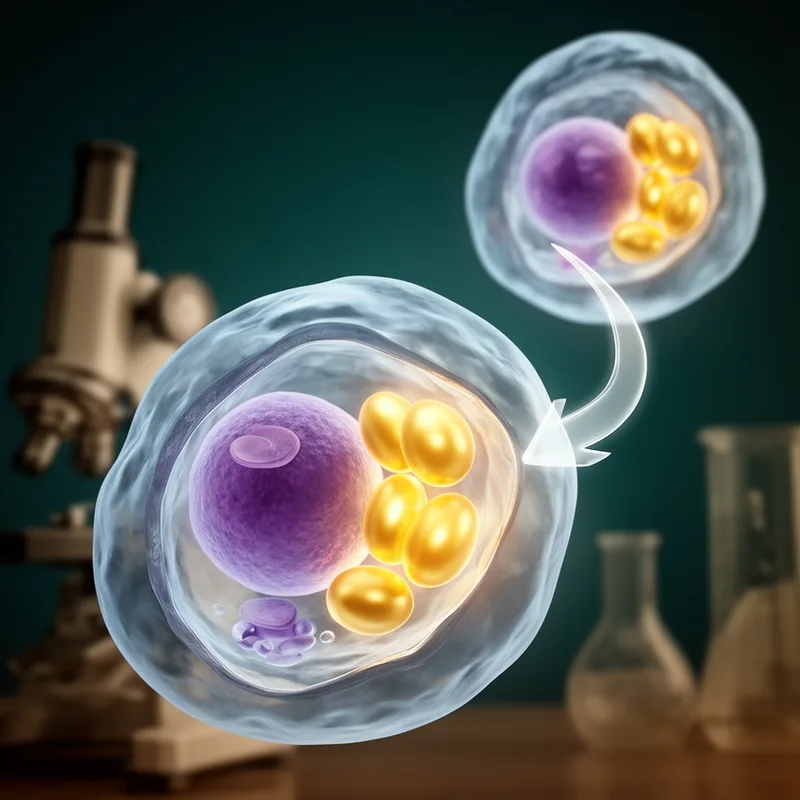
plasmon
- noun
- /ˈplæzmən/
- Archaic
- Early scientists believed the plasmon played a key role in inheritance.
Examples
-
Some textbooks from the early 20th century still mention the plasmon as a carrier of traits.
-
The concept of the plasmon is now considered outdated in modern biology.
-
What is a plasmon?
-
The plasmon is fascinating.
-
Early scientists believed that the plasmon was responsible for carrying traits in inheritance.
-
In the early 1900s, some researchers hypothesized that the plasmon influenced genetic characteristics.
-
Textbooks of the past often described the plasmon as a crucial component in the study of heredity.
Synonyms
A tiny imagined particle Darwin thought carried inherited traits
Surface Forms
Morphology
Etymology
Plasmon comes from the Greek plasma 'something formed' and the ending -on, as in electron, so early scientists used it to name a small 'formed' part of the cell. That is why the biological plasmon was thought to be a unit in protoplasm that carried hereditary or cytoplasmic traits.

