

germ
 8
3.6
8
3.6

- noun
- /dʒɜrm/
- Specialized
- When an egg becomes cold, the germ dies, preventing the development of the organism.
- germ plasm
- germ cells
- germ line
Loading YouTube…
Watch on YouTubeSo germ cells are not germs as an infectious germs.
- So germ cells are not germs as an infectious germs.
- And then the right deep, deep in there's the germ.
- Like the endosperm of a wheat kernel separate from the bran and the, you know, the germ.
- And the, the, the, the germ line are the cells that go to make up are gonads or eggs or sperm.
- But in addition to viruses that are built into the germ line of the of animals and humans, there are viruses coming in from outside.
- Firstly, if we're talking about using CRISPR, are we using it in somatic cells such as T cells, or are we using it in embryos or germ stem cells?
- And this gene works in the germ cells.
- Germline means changing DNA in embryos or other kinds of germ cells like eggs or sperm.
- Well, early in development, the germ cell germ line is physically isolated, at least in organisms like us.
- If they're that advanced, they can obviously create germ cells to to then grow copies of ourselves in their laboratory.
- When an egg becomes cold the germ dies.
- When you have brown rice, brown rice has its brand on and it has the germ on.
Examples
-
Meiosis leads to the production of the germ cells, the egg and the sperm.
-
When I was a kid, my mom used to hide wheat germ and other healthy stuff in my oatmeal cookies.
Academic text (2014) -
I needed to use up the rest of the wheat germ anyway.
-
When an egg becomes cold the germ dies.
-
And then the germ is also removed and the germ is a little part of the seed where the embryonic plant resides.
-
Thiamine is a water-soluble vitamin that is found in the husk and germ of wheat and rice.
Academic text (1992) -
The fertilized egg contains the germ, which eventually develops into a complete organism.
-
The germ is the part of the seed that contains the embryo, ready to grow into a new plant.
Synonyms
 94
4.0
94
4.0
An early stage in animals and humans before birth or hatching
 8
2.9
8
2.9
An egg joined with a sperm that starts to grow into an embryo
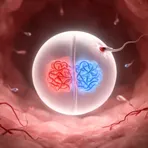
A cell formed when a sperm joins an egg that becomes a new animal
Compounds
- Specialized
1
4.0
An idea that infectious diseases are caused by tiny organisms like bacteria or viruses

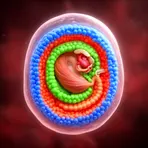
- Specialized
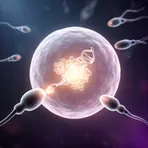
A main group of cells in a young animal before birth that forms body parts

- Archaic
Living material in reproductive cells that contains genes and passes traits to offspring
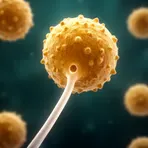
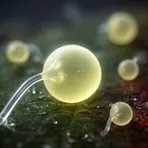
- Specialized
Thin tube that grows out of a spore when it starts to grow, often in fungi
How Developed

Surface Forms
Etymology
Germ comes from the Latin germen, meaning 'seed' or 'bud'. In biology a germ is the tiny first part from which new tissue or an organism can grow, just like a seed that starts new life.