to fan the flames

to fan the flames

8 7.2
To make an argument or feeling worse by encouraging it
  • idiom
  • Informal
translation icon : avivar las llamas
  • The constant arguing between the leaders only served to fan the flames of the existing tensions.

Examples

  • The events that the Iraq war set in motion will fan the flames of liberty for generations to come.

    Blog text (25)
  • Any other approach runs the risk of fanning the flames of conflict and sparking a detrimental arms race.

    Academic text (2016)
  • You fan the flames of a civil war.

  • So, I don't want to fan the flames.

  • When I opposed the war, I warned that it would fan the flames of extremism in the Middle East.

    Blog text (12)
  • Why does China seem to be fanning the flames of its row with Japan in the East China Sea?

    Blog text (6)
  • Instead of diffusing the situation, my hilarity only fanned the flames.

    Fiction book (1992)
  • Napoleon wrote that military blunders and domestic catastrophes... ...fanned the flames of the French Revolution.

  • Castro is also trying to fan the flames of Cuban nationalism in order to divert attention from Cuba's growing crisis.

    Academic text (1990)
  • President Clinton publicly suggested in 1995 that conservative talk radio had fanned the flames of societal unrest that led to the Oklahoma City bombing.

    Academic text (2000)

Synonyms

to fuel
vsto fan the flames
177 4.3

To make feelings, arguments or actions stronger

is more about provoking or encouraging to worsen a situation than general increase
to stir
vsto fan the flames
131 3.7

To make someone feel a strong emotion

is about provoking or encouraging to worsen situations rather than simply arousing feeling
to provoke
vsto fan the flames
115 3.7

Cause a reaction or feeling

is focused on worsening by encouraging or provoking rather than simply causing reactions
to fire up
vsto fan the flames
  • Informal
70 4.1

Make people feel excited and ready to act

is focused on provoking to make conflicts worse rather than inspiring enthusiasm
to stir up
vsto fan the flames
48 4.8

To make people feel strong emotions like anger or fear

focuses on provoking or encouraging existing problems to become worse
to ignite
vsto fan the flames
47 4.4

To cause strong feelings in someone

is focused on provoking to worsen situations rather than just arousing feeling
to make matters worse
vsto fan the flames
37 4.0

To cause a situation to become more difficult or unpleasant

is usually deliberate, done by encouraging or provoking rather than accidental worsening
to instigate
vsto fan the flames
36 6.9

To cause something bad to start

is specifically about encouraging or provoking to make situations worse rather than starting them
to inflame
vsto fan the flames
31 5.8

To make people's feelings stronger, especially anger or hate

is about provoking or encouraging to escalate conflict rather than emotion only
to turn up the heat
vsto fan the flames
26 4.2

Make a situation more urgent to force someone to act

is about provoking or encouraging to worsen conflict rather than applying pressure for action
to foment
vsto fan the flames
  • Formal
21 8.4

To cause people to start trouble or violence

is similar but stresses provoking to make an existing situation worse directly
to add insult to injury
vsto fan the flames
  • Informal
12 4.5

To make a bad situation worse by saying or doing something that hurts someone more

is broader, involving any provocation to intensify conflict rather than adding insult specifically
to stir the pot
vsto fan the flames
  • Informal
8 8.0

To cause trouble by saying things to make people argue

is used when someone encourages or provokes to make matters worse
to get a rise out of
vsto fan the flames
  • Informal
8 6.8

Make someone angry or annoyed on purpose by teasing them

is about provoking to worsen a wider situation not just irritate one person
to add fuel to the fire
vsto fan the flames
  • Informal
7 5.9

To make a bad situation worse by saying or doing something that makes people angrier
is about encouraging or provoking to intensify an existing conflict
to stoke
vsto fan the flames
7 5.6

To add fuel or stir a fire to make it burn hotter

is about encouraging or provoking to make tensions grow rather than calm
to fan
vsto fan the flames
7 5.9

To make a feeling like anger or hate grow stronger

is used when someone provokes or encourages a situation to worsen
to cause a stir
vsto fan the flames
6 4.0

Make people feel excited or upset and attract attention

is used when someone actively encourages or provokes to worsen a situation
to make one's blood boil
vsto fan the flames
  • Informal
6 7.0

To cause someone to feel very angry

is about provoking or encouraging to worsen general conflicts not only anger
to stir trouble
vsto fan the flames
  • Informal
5 5.3

To cause fights or problems between people on purpose

is about provoking or encouraging to worsen relations, not accidental problems
to feed the fire
vsto fan the flames
2 4.8

To put extra fuel on a fire or make a disagreement worse

is about actively encouraging or provoking to worsen a situation
to spark a firestorm
vsto fan the flames
1 7.0

To cause many people to show strong public anger or criticism

is broader, covering deliberate provocation to worsen conflicts beyond public outbursts
to inflame tensions
vsto fan the flames
  • Literature
1 7.4

Make people more angry and cause conflict between groups

is similar but also covers provoking people to worsen emotional states as well
to get one's dander up
vsto fan the flames
  • Informal
1 9.1

To make someone angry

is focused on encouraging or provoking to escalate conflicts beyond individual anger
to inflame public opinion
vsto fan the flames
  • Literature
1 7.7

To make many people feel angry or shocked about something

is broader, applying to any conflict or emotion beyond public reactions
to pour gasoline on the fire
vsto fan the flames
  • Informal
1 7.3

Make a bad situation worse by what you say or do

is about provoking or encouraging to increase anger or conflict
to spark heated debate
vsto fan the flames
1 5.4

Cause strong arguments about a topic, often on public issues

is about provoking to intensify conflict generally, not only debates
to pour fuel on the fire
vsto fan the flames
  • Informal
7.3

To make a bad situation worse by saying or doing something

is done by encouraging or provoking rather than accidental worsening
to enflame
vsto fan the flames
6.4

To make feelings like anger or excitement stronger

is focused on provoking to worsen a situation not only arousing emotion
to stir up drama
vsto fan the flames
  • Informal
7.0

To cause trouble between people to get attention

is about provoking or encouraging real conflicts rather than trivial arguments
to shit-stir
vsto fan the flames
  • Offensive
9.9

To say or do things that cause arguments and make people angry
is about encouraging or provoking to make situations worse rather than neutral effects
to enkindle
vsto fan the flames
  • Archaic
9.1

To make something start to burn, like a fire or a strong feeling

is about provoking to intensify conflicts and tensions, not merely starting feelings
to open a hornets' nest
vsto fan the flames
  • Informal
7.7

To cause a lot of trouble and anger among people

is about encouraging or provoking to intensify problems, not only creating controversy
to create friction
vsto fan the flames
4.6

To cause disagreement between people or groups

is broader, focusing on provoking or encouraging worsening rather than general tension

Antonyms

962 1.0

Make a person or animal less upset

20 5.1

To stop a fire or light from burning

How Intense

to incite
  • NSFW
72 7.7
to stir up
48 4.8
to fan the flames
  • Informal
8 7.2
to inflame
31 5.8
to fuel
177 4.3
to provoke
115 3.7

Surface Forms

fan the flames infinitive
fanned the flames past participle
fanning the flames present participle
fans the flames third person singular

Morphology

fan + the + flame

The phrase maps directly from the literal action of fanning to make flames grow to the figurative sense of increasing or intensifying a conflict or emotion, so a learner who knows 'fan' (to increase/stir up) and 'flame' can plausibly infer the meaning. This metaphor is common cross-linguistically (e.g., Spanish 'avivar las llamas', 'echar leña al fuego'), which supports immediate comprehension rather than an idiosyncratic idiom.

Etymology

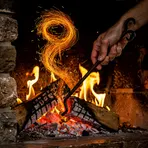
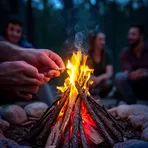
Fan the flames comes from the image of using a fan to blow on flames, which makes a small fire grow bigger. That's why it now means 'to make a situation or feeling worse or more intense'.