

to create friction
- phrasal verb
- I, I just feel like that just slows down, creates friction in the virality of things.
Loading YouTube…
Watch on YouTubePossibly it will create friction in in other situations that you're dealing with him.
- Possibly it will create friction in in other situations that you're dealing with him.
- And when you are around people who simply haven't seen or experienced this, it can create friction, tension, and discomfort.
- I might not like what he just did, but I don't want to confront him because I don't want to create friction or awkwardness.
- Part of their job is to like the pusher, especially part of your job is to stop creating friction for everyone.
- I would even take out the word, but right, because as soon as you use the word, but you're creating friction there so you could change it to I do understand what you're saying.
- So have some relationships with real life people, but then also find ways to create friction.
- So documenting versus creating create like, like don't anything that creates friction for you.
Examples
-
And so I'm here to tell you, when you make this list of things that you hate, the areas of your life that create friction for you right now, that's where the lessons are.
-
And when you are around people who simply haven't seen or experienced this, it can create friction, tension, and discomfort.
-
Part of their job is to like the pusher, especially part of your job is to stop creating friction for everyone.
-
Possibly it will create friction in in other situations that you're dealing with him.
-
Possibly it will create friction in in other situations that you're dealing with him.
-
And when you are around people who simply haven't seen or experienced this, they can create friction, tension, and discomfort.
-
And so I'm here to tell you when you make this list of things that you hate, the areas of your life that create friction for you right now, that's where the lessons are.
-
I would even take out the word, but right, because as soon as you use the word, but you're creating friction there so you could change it to I do understand what you're saying.
-
I might not like what he just did, but I don't want to confront him because I don't want to create friction or awkwardness.
-
When team members have differing opinions, they often create friction that can hinder collaboration.
Synonyms

 144
3.6
144
3.6

Annoy someone again and again to make them react
 48
4.8
48
4.8
To make people feel strong emotions like anger or fear
 36
6.9
36
6.9
To cause something bad to start
 23
7.2
23
7.2
Make people or groups divide into two opposing sides
 13
7.6
13
7.6
To cause people to argue or become divided on purpose
 10
6.1
10
6.1
Make people or groups compete against each other
 8
8.0
8
8.0
To cause trouble by saying things to make people argue
 8
7.2
8
7.2
To make an argument or feeling worse by encouraging it
 6
4.0
6
4.0
Make people feel excited or upset and attract attention
 5
5.3
5
5.3
To cause fights or problems between people on purpose
 2
3.7
2
3.7
To make people start talking and disagree about a topic
 1
3.7
1
3.7
To cause people to start a strong, lively discussion
 1
7.4
1
7.4
Make people more angry and cause conflict between groups
 1
9.9
1
9.9
To say or do things to make others angry and start fights


 1
5.4
1
5.4
Cause strong arguments about a topic, often on public issues

To say or do things that cause arguments and make people angry

To cause trouble between people to get attention

To make people argue or fight

To cause a lot of trouble and anger among people

To say or do something that causes strong reactions and confusion among people
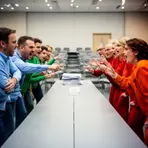
Make people split into groups with opposite views and strong disagreement
Antonyms


How Tense
- NSFW
72
7.7

- Literature
1
7.4
777
3.5
∞
1.0
Surface Forms
Morphology
The meaning is directly and transparently derived from combining 'create' (to produce) with 'friction' (mechanical resistance): together they mean to produce resistance between surfaces. This verb+noun composition follows standard, compositional English patterns (and similar constructions exist cross-linguistically), so a B1 learner who knows both words would readily infer the MWE meaning.
Etymology
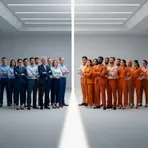
Create friction comes from the image of two surfaces rubbing and making heat or resistance. So when people or groups 'rub' against each other in this way, they cause 'tension' or 'disagreement'.