

to create friction
- phrasal verb
- /kriˈeɪt ˈfrɪkʃən/
- Specialized
- When two surfaces rub against each other, they create friction, which makes it harder for them to move smoothly.
Loading YouTube…
Watch on YouTubeAnd then if a gravitational wave goes through, it distorts the bar and that creates friction on these little rings.
- And then if a gravitational wave goes through, it distorts the bar and that creates friction on these little rings.
Examples
-
And then if a gravitational wave goes through, it distorts the bar and that creates friction on these little rings.
-
And that resistance really, really continued to create friction in the business.
-
That creates friction, that creates drag, and that will slow down the ball, slows it down, OK.
-
As Earth's oceans churn to keep pace with the moon, the water creates friction that slows our planet's rotation.
-
As the ice skater glides across the rink, the blades create friction with the ice, allowing for control and direction.
-
The rough texture of the road can create friction between the tires and the surface, improving vehicle stability.
Antonyms
- Specialized
 19
4.4
19
4.4

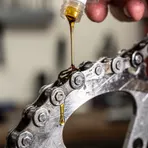
To make machine parts move smoothly by putting oil or grease on them
How Resistant

Surface Forms
Morphology
The meaning is directly and transparently derived from combining 'create' (to produce) with 'friction' (mechanical resistance): together they mean to produce resistance between surfaces. This verb+noun composition follows standard, compositional English patterns (and similar constructions exist cross-linguistically), so a B1 learner who knows both words would readily infer the MWE meaning.
Etymology
Create friction describes making two surfaces rub together so they resist movement and make heat. That's why it means physical 'resistance' when parts move against each other.