

to encase
 34
4.9
34
4.9

- verb
- /ɪnˈkeɪs/
- The artist decided to encase the delicate sculpture in glass to protect it from dust and damage.
- encased in glass
- encased in concrete
- encased in bone
Loading YouTube…
Watch on YouTubeSo you get this big dusty and gaseous cloud almost that that encases that star.
- So you get this big dusty and gaseous cloud almost that that encases that star.
- But you know, the idea of this collection, again, not being encased in amber but going someplace where it could be used by people is really important to me.
- The dog that my encased in glass.
- It kind of takes our trauma bond and encases it in cement if our sweet friend sees it this way.
Examples
-
We accomplished that this morning by encasing him in a block of KL93, a new plastic material stronger than steel.
-
And if it gets pressed, an alarm goes off and a massive steel cap comes down, encases the safe entirely.
-
And he built a little house, tiny little house to encase the statue, keep it free of the rain.
-
Inside the tree, encased in glass, is the card with the signature.
-
Captain, we just found a woman's body encased in some concrete.
-
One scientist in the back has his arms encased in two long rubber tubes.
Fiction book (1993) -
When he returns, within the hour, the suit is ready and encased expertly in a plastic bag.
Fiction book (1997) -
The medallion hung heavily on its chain, still encased in a cast of solid white paste.
Fiction book (1992) -
The medication in Dylar is encased in a polymer membrane.
-
In the early morning sun, the massive 200-foot-high tomb with its six limestone-encased steps sparkled brightly.
Academic text (2006)
Synonyms
 ∞
1.0
∞
1.0
To put something over another thing to protect or hide it
 729
1.0
729
1.0
To cover something by putting material around it
 457
2.5
457
2.5
To close something tightly to stop air or water getting in
 89
3.2
89
3.2
To hold something inside a building or container
 84
3.7
84
3.7
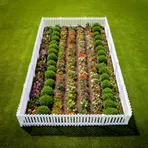
Surround something completely, often with a wall or fence
 41
4.5
41
4.5
To surround something completely, like fog or darkness
 38
6.0
38
6.0
To cover something completely, often with a cloth
 32
4.3
32
4.3
Cover something with material that stops heat, cold, or sound from passing through
 22
3.6
22
3.6
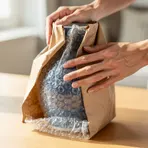
Cover something completely with paper, cloth or another material to protect it
 15
3.9
15
3.9
Close something tightly so air, water, or flavor cannot escape
 6
5.6
6
5.6
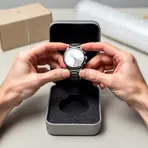
To cover something completely, as if by a blanket or mist
 4
5.3
4
5.3
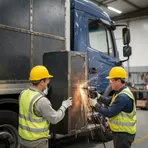
To put something into a box or container to protect it
 2
4.8
2
4.8
To put a strong protective layer on something
 2
4.6
2
4.6
To wrap someone or something in soft material to keep it warm and safe
 1
8.2
1
8.2
To cover something completely so you cannot see or understand it
 1
5.5
1
5.5
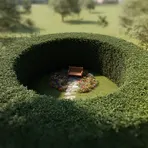
To put something into a cover to protect it

 1
8.8
1
8.8
To surround something on all sides
 1
8.0
1
8.0
To cover something completely, often by surrounding it with cloth or paper

To cover a joint or container with material so it does not leak

Surround something completely so it cannot get out or move

To put something inside a small protective cover, often for medicine

Surround something completely on all sides to shut it in

To put something inside a cover or case

Completely surround something, often in a round shape like a ball
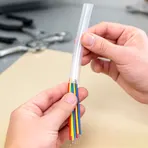
To cover something with a protective layer, for example metal, leather or plastic

To cover something with an extra layer to protect it or make it look nicer
Antonyms

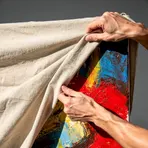
How Enclosed
457
2.5
 34
4.9
84
3.7
4
7.2
729
1.0
92
2.5
∞
1.0
34
4.9
84
3.7
4
7.2
729
1.0
92
2.5
∞
1.0
Surface Forms
Morphology
Etymology
The word encase comes from en- 'in' and case 'box', because a 'case' was a simple container. So, to encase something is like putting it 'in a box' — to completely cover or surround it for protection.