

to incase
- verb
- /ɪnˈkeɪs/
- The delicate statue was carefully incased in bubble wrap for shipping.
Examples
-
Workers began incasing the electrical wires in protective tubing.
-
Please incase the documents before sending them.
-
Overnight, the trees were incased in a layer of shimmering ice.
-
The artist incased the sculpture in glass.
-
The delicate statue was carefully incased in bubble wrap for shipping.
-
Workers began incasing the electrical wires in protective tubing.
-
Please incase the documents before sending them.
Synonyms

 34
4.9
34
4.9

To cover something completely so nothing can get in or out
 4
5.3
4
5.3
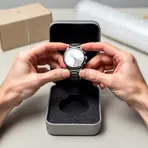
To put something into a box or container to protect it

Surround something completely on all sides to shut it in
Antonyms


How Enclosed

Surface Forms
Morphology
Etymology
Incase comes from in- meaning 'in' and case meaning 'a box or cover', so it originally meant putting something 'in a case' or under a cover. That's why to incase something is to put it inside or cover it.