
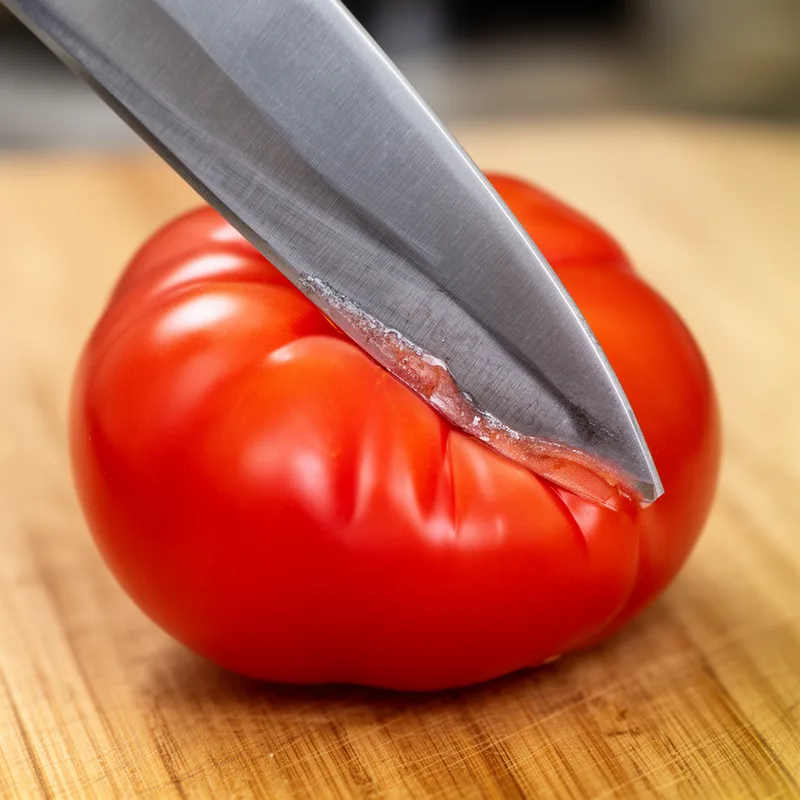
to dull
 33
3.4
33
3.4

- verb
- /dʌl/
- She tried to dull her feelings of sadness with music.
- dull the pain
- dull the edge
Loading YouTube…
Watch on YouTubeYour body's reaction to being poisoned is dulling of senses until your body can clear it out.
- Your body's reaction to being poisoned is dulling of senses until your body can clear it out.
- So when you bend into it, it really does dull the noise and you kind of embrace the pain.
- How could you not be sad when you're constantly being dulled?
- And but all of those things are what they're vices that are designed to temporarily dull out your feelings.
- It turns out that my lifestyle before sobering up dulled a lot of my abilities, so I found success pretty instantaneously.
- That said, you said, but I started smoking weed to dull the pain of the body that you had.
- I mean, that would be the prime time to do it if you wanted to dull any kind of bounce from this convention for the beginning of the next work week.
- Blood in the water hurdle when they dull.
Examples
-
Alcohol dulls the senses.
-
But maybe enough to impair his... reactions, to dull his judgment.
-
So when you bend into it, it really does dull the noise and you kind of embrace the pain.
-
So you're saying that most people look at money to dull their pain?
-
The weak ones turn to drugs to dull the pain, but it never lasts for long, the emotions soon come back more intense than ever.
-
If I let it go that far, drugs will dull the pain, but won't erase it.
Academic text (1996) -
You said overthinking dulls the wisdom found in action.
-
All of her senses were dulled by exhaustion, including her sense of taste.
Fiction book (1991) -
Sometimes its controlling role is unnoticed because our critical abilities have been dulled by too intimate familiarity.
Academic text (1994) -
The medication helped to dull the pain after the surgery.
Synonyms
 64
5.8
64
5.8
To make a sound or feeling quieter so it is less noticeable
 62
4.2
62
4.2
Make a body part and the mind unable to feel, often by cold or medicine
 44
3.7
44
3.7
To make something less strong, for example a sound, color or feeling
 26
4.8
26
4.8
To make a sound or feeling less strong
 21
4.2
21
4.2
To make a feeling or pain less strong
 21
3.1
21
3.1
To stop a sound or notification from making noise
 16
4.4
16
4.4
Make something less strong or noticeable, for example sound and feeling
 15
1.4
15
1.4
To make someone feel tired or not interested by being dull when you speak
 12
2.4
12
2.4
To become less bright or make a light weaker
 3
5.5
3
5.5
To make a feeling, sound, or pain less strong


 1
8.5
1
8.5
To make a person unable to feel pain or strong emotion
 1
7.2
1
7.2
To stop being interesting or enjoyable
Antonyms


Compounds


How Intense

Surface Forms
Etymology
The verb dull comes from the same old English root that meant 'to make slow' or 'blunt'. So to 'dull' something is to make it less sharp, bright, strong, or interesting.