

despotic
 8
8.4
8
8.4

- adjective
- /dɪˈspɑtɪk/
- Many citizens secretly opposed the despotic regime that ruled through fear and oppression.
- despotic regime
- despotic rule
- despotic government
Loading YouTube…
Watch on YouTubeAnybody who thinks that all power by its very nature is despotic involves something like slavery.
- Anybody who thinks that all power by its very nature is despotic involves something like slavery.
- They sagged in mutual ruin, victims of the despotic force of time and of abandonment.
- So power comes in many different varieties, and ambition doesn't always equate to despotic power.
- We're not working in despotic countries where the government actually doesn't want any NGOs to come in.
Examples
-
The governor's despotic decisions led to widespread protests and calls for freedom among the people.
-
Lippmann observes that public principles can, of course, be imposed by a despotic government.
Academic text (2001) -
"Implications were clear: "The enemy hopes to impose despotic rule by the few."
Academic text (2013) -
In this situation, a strong, almost despotic rule may be necessary to civilize and democratize.
Academic text (1996) -
It's true that the cry in the Arab street is for liberation from corrupt and despotic governments.
Academic text (2011) -
The merger made Kenya a de facto one-party state and paved the way for a despotic executive.
Academic text (1994) -
The slaves of Granville County were subject to the despotic feudal control of slaveholders on their home plantations.
Academic text (2017) -
The process of democratization requires, according to Bennabi, that anti-democratic feelings and despotic tendencies be eliminated.
Academic text (1996) -
The play's apparent hero, the Marquis Posa, is a good eighteenth-century liberal set in despotic, unenlightened times.
Academic text (1990) -
In a despotic society, leaders often disregard the rights of individuals to maintain their power.
Synonyms
 58
7.5
58
7.5
Expecting people to follow orders and allowing little freedom
 43
6.3
43
6.3
Using harsh, unfair power to control people and limit their freedom
 25
7.9
25
7.9
Using power to treat people cruelly and unfairly
 16
7.7
16
7.7
Having complete control and expecting people to obey without question
 14
8.0
14
8.0
A leader who has complete power and does not allow others to disagree
 7
7.7
7
7.7
In a very strict and harsh way to control people
 2
7.6
2
7.6
A leader who uses very strict rules to control people
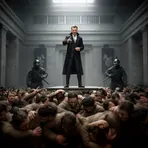 1
9.9
1
9.9
Using unfair, cruel power to control people

Having very strong, unfair power that controls or hurts people

A leader who has harsh, total power and treats people unfairly
Antonyms


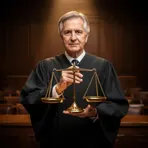
How Tyrannical
43
6.3
 25
7.9
8
8.4
16
7.7
14
8.0
58
7.5
25
7.9
8
8.4
16
7.7
14
8.0
58
7.5
Surface Forms
Morphology
Etymology
Despotic comes from the Greek despotes, meaning 'master' or 'lord', and gave us the English word despot. So a despotic ruler is like that single master who uses all power and often acts cruelly.