
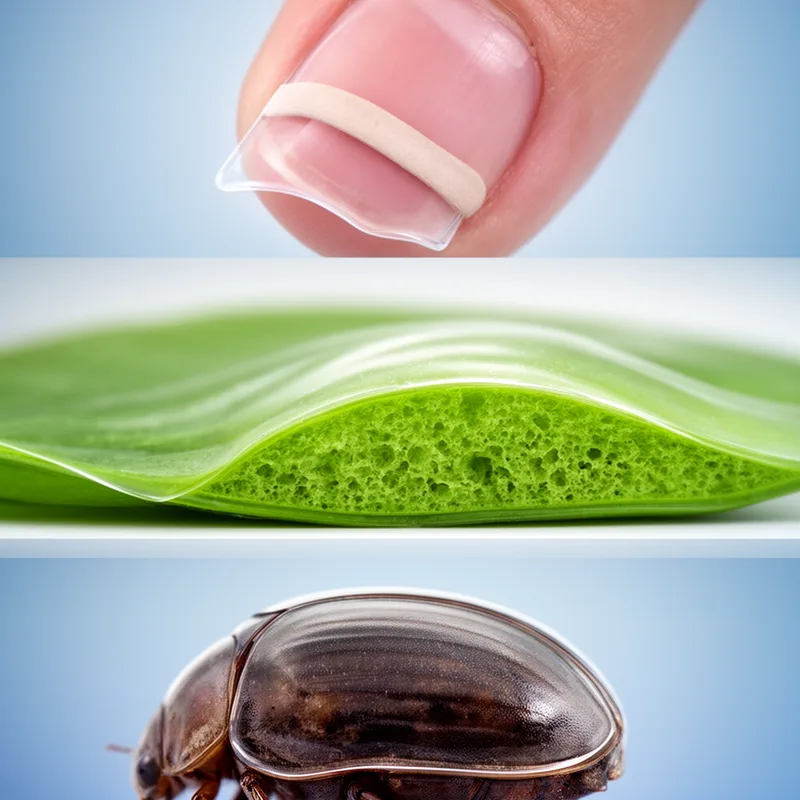
cuticular
- adjective
- /kjuˈtɪkjələr/
- Specialized
- The HCs were characterized as damaged (i.e., missing) if no stereocilia and cuticular plate were observed.
- cuticular plate
Loading YouTube…
Watch on YouTubeBut I'm curious about the cuticular hydrocarbons.
- But I'm curious about the cuticular hydrocarbons.
Examples
-
Some of the filaments project as a rootlet into the cuticular plate region along the apical surface of the outer hair cell body.
Academic text (1998) -
The cuticular layer protects the delicate tissues underneath the leaves.
-
But I'm curious about the cuticular hydrocarbons.
-
Surviving HCs are characterized by the presence of stereocilia and cuticular plates.
Academic text (2008) -
With the attainment of eusociality, little further evolution is required for the nest odor to be based upon the cuticular hydrocarbons of the colony members.
Academic text (2008) -
Contraction of the body-wall muscles, which are attached to the cuticular exoskeleton of the worm through the epidermis, causes the body bends that drive locomotion.
Academic text (2016) -
Some insects have a cuticular structure that helps them resist water loss.
-
Researchers studied how cuticular traits affect plant growth in various environments.
Synonyms
 7
6.3
7
6.3

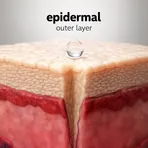
Relating to the outer layer of skin or of a plant that protects it

On the outer layer of a plant or insect

Relating to the outer layer of the skin
How Outer
- Specialized

- Specialized
- Specialized

 1
8.9
338
3.5
1
8.9
338
3.5
Surface Forms
Morphology
Etymology
Cuticular comes from the Latin cuticula, a small form of cutis meaning 'skin'. It shares the same root as the common word cuticle, so cuticular means 'relating to the outer skin or thin layer'.