

epicuticular
- adjective
- /ˌɛpɪˈkjuːtɪkələr/
- Specialized
- The presence of epicuticular wax on the leaves helps prevent water loss in plants.
Examples
-
Upper epidermis. Leaf surface structures, such as epicuticular waxes and epidermal hairs, have been reported to affect whole-leaf photosynthesis due to alterations in absorbed sunlight.
Academic text (1997) -
Insects often possess epicuticular layers that protect them from environmental hazards.
-
The study focused on the epicuticular characteristics of the plant's surface to understand its adaptation to dry climates.
Synonyms
 7
6.3
7
6.3

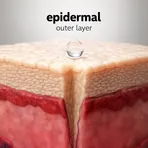
Relating to the outer layer of skin or of a plant that protects it
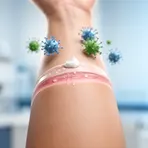
Relating to the outer layer of the skin
How Outer
- Specialized

- Specialized
- Specialized

 1
8.9
338
3.5
1
8.9
338
3.5
Surface Forms
Morphology
epicuticular = epicuticle (semi-transparent) = epi + cuticul + epi + ar
Forming an adjective with '-ar' from the noun 'epicuticle' is a regular and predictable morphological process.
Etymology
Epicuticular breaks into epi- meaning 'on' and cuticle meaning 'skin' or 'outer layer'. So, epicuticular describes something that is on the very outer 'skin' or surface of a plant or insect.