

epidermic
- adjective
- /ˌɛpɪˈdɜrmɪk/
- Specialized
- The epidermic layer acts as the body's first line of defense against pathogens.
Examples
-
The epidermic layer protects the body from external threats.
-
The study focused on the structure of epidermic cells in amphibians.
-
Some medications are designed for epidermic absorption through the skin.
-
She applied a cream to soothe her epidermic irritation.
-
The doctor explained that the epidermic layer of the skin acts as a barrier against infections.
-
After applying sunscreen, it's important to let it absorb into the epidermic layer for maximum protection.
-
The epidermic cells regenerate quickly, helping to heal minor cuts and abrasions on the skin.
Synonyms

 8
8.1
8
8.1

Forming a thin layer of cells that covers the body and lines organs
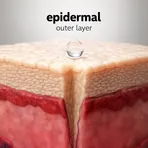 7
6.3
7
6.3
Relating to the outer layer of skin or of a plant that protects it
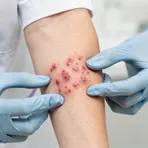 3
7.3
3
7.3
Affecting the skin, for example a rash or sore


 1
9.9
1
9.9
Relating to the skin or outer body covering that protects a living thing
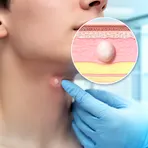
Relating to the outer layer of the skin

On the outer layer of a plant or insect
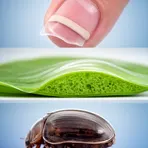
Relating to the thin outer layer that covers skin, nails or plant leaves

Relating to an outer covering like skin or a membrane in animals and plants
Surface Forms
Morphology
Etymology
The word epidermic comes from the Greek parts epi- 'on' and derm 'skin', so it literally means 'on the skin'. That is why epidermic describes something on or acting through the outer layer of the body, like medicines absorbed through the skin.