
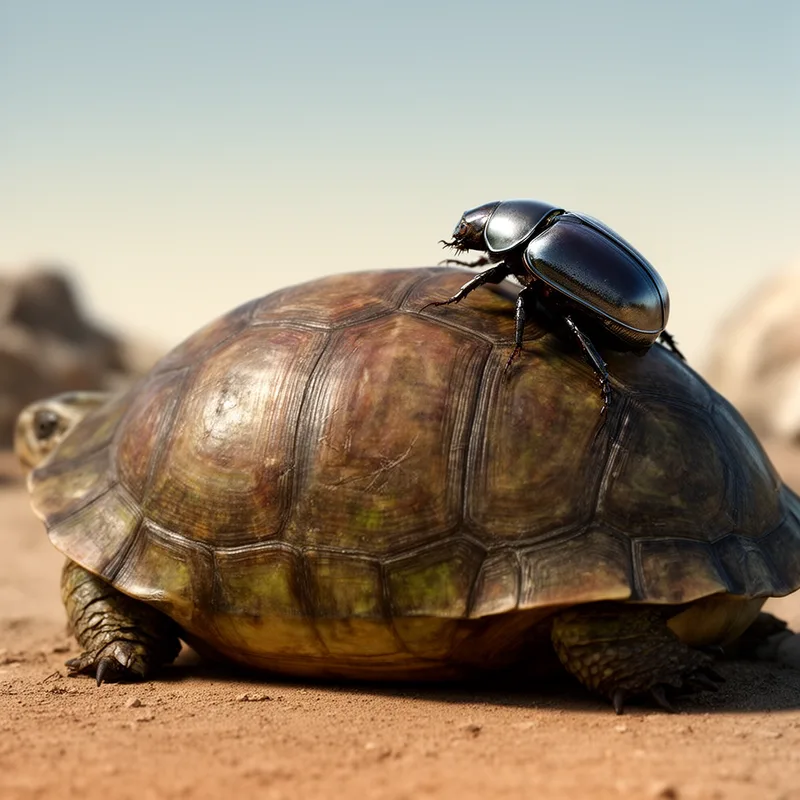
cuticle
 1
6.3
1
6.3

- noun
- /ˈkjutɪkəl/
- Specialized
- Cuticle contains UV-absorbing phenolics and may prevent radiation damage to long-lived photosynthetic organs.
- larval cuticle
Examples
-
Because the cuticle isn't elastic," he says, "insects get squeezed as they grow.
Academic text (2005) -
Organs in the cuticle, for example, detect bending strains and enable the insect to control its movements.
Academic text (2001) -
Each time the lobster molts, a layer of cuticle is formed.
Academic text (1999) -
The waxy cuticle thickens and cell walls get stronger.
-
Because this epidermal growth occurs right underneath the larval cuticle, it is not visible from the outside.
Academic text (2005) -
These grooming spurs probably evolved initially from the ordinary spines present on the cuticle of most insects.
Academic text (2002) -
In many species, wax gives a grayish cast to the stem, suggesting that thick cuticle reflects some infrared radiation, thereby lowering stem temperature.
Academic text (1998) -
The stem is coated with a thick, waxy cuticle, so that when stomata are closed, transpirational loss is trivial.
Academic text (1998) -
Fungal spores that cause apple scab disease are erupting through the cuticle of a crabapple leaf, magnified about 1500x.
Academic text (2000) -
The protective cuticle of the turtle helps shield it from predators.
Synonyms
 296
1.0
296
1.0
A hard outer covering that protects animals, eggs, or nuts
 94
3.5
94
3.5
A hard outer covering on animals like insects or turtles that protects the body
 6
8.7
6
8.7
A hard outer shell that protects the body of animals like crabs and turtles
 1
9.9
1
9.9
An outer protective covering like skin or a shell that protects a living thing

A tough outer layer on an insect's body that protects it
A hard outer covering on some animals that protects and supports the body
How Protective
- Specialized
16
6.9

- Specialized
6
8.7
296
1.0
- Specialized
1
6.3
- Specialized
74
4.5
Surface Forms
Etymology
Cuticle also comes from the Latin cutis 'skin' with the small ending -cula meaning 'little', so thinking 'little skin' makes it easy to remember it can mean the outer, skin-like covering that protects insects and turtles.