
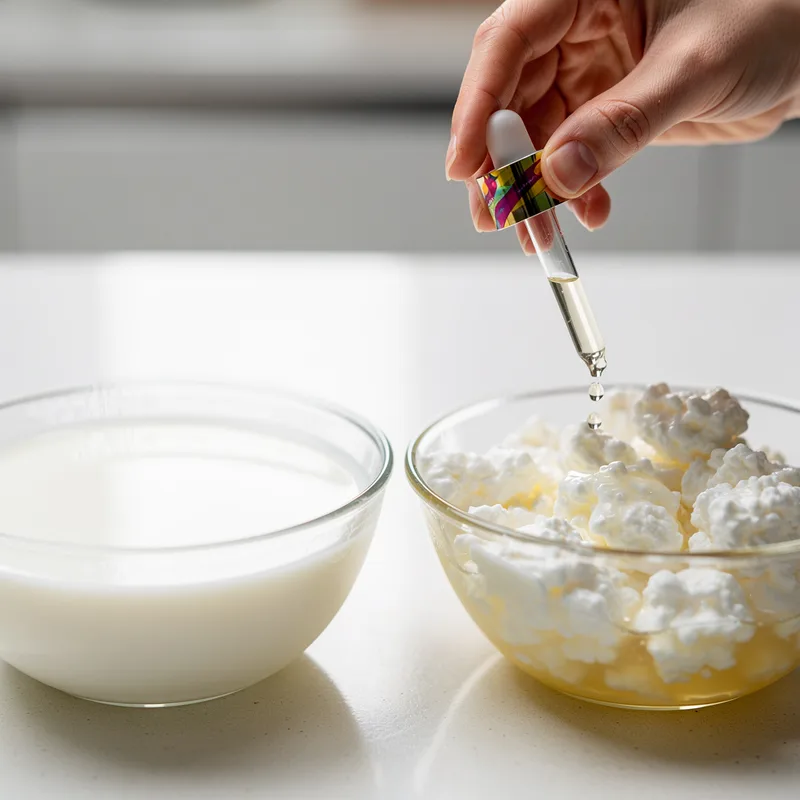
coagulant
 3
8.1
3
8.1

- noun
- /koʊˈæɡjʊlənt/
- Specialized
- Use of chemical coagulants in primary treatment removes much of the organic fraction.
- natural coagulants
- primary coagulant
- coagulant dosage
Examples
-
In addition, as coagulants and precipitants, they remove materials from the influent stream and deposit them in the residue.
Academic text (1998) -
If the coagulant is underdosed, there will be few coagulated particles and poor liquid/solid separation.
Academic text (1998) -
The unit may also be used to control coagulants to meet drinking water standards.
Academic text (1998) -
I recommend natural coagulants, such as chicken liver.
-
Although the alum is used as a coagulant in the mixing basin, it is not used in the SB.
Academic text (1997) -
Are you using the most cost-effective combination of coagulants and flocculants?
Academic text (1998) -
Five plastic 1,000-mL bottles were filled to the 1,000-mL mark with water clarified by natural coagulants, and the lids were put on.
Academic text (2008) -
Plant materials have for many centuries been used as coagulants in developing countries to clarify turbid water (Jahn, 1988; Schulz & Okun, 1984).
Academic text (2008) -
We used a programmable jar tester (Phipps & Bird, Richmond, VA) to determine the optimal coagulant dose of alum.
Academic text (2013) -
The doctor recommended a coagulant to help stop the bleeding from the cut.
Synonyms
 3
5.0
3
5.0
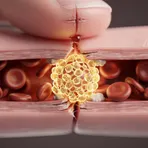
A substance in the blood that helps stop bleeding


 1
8.0
1
8.0
A protein in blood that helps form clots
 1
8.6
1
8.6
A substance or device that makes a liquid such as blood form clots
 1
5.8
1
5.8
A substance in the blood that helps form clots

A protein made by some bacteria that makes blood or plasma clot

A lab chemical that contains tissue factor and starts a blood clotting test
A substance added to water to make small bits join into larger lumps
How Astringent
- Specialized

- Specialized
- Specialized
3
8.1
- Specialized
Surface Forms
Morphology
coagulant = coagulate (transparent) = coagul + ant
Formed by adding the productive agent/adjectival suffix '-ant' to the verb 'coagulate', so the meaning 'a substance that causes coagulation' follows directly.
Etymology
The word coagulant comes from the Latin coagulare, which means 'to curdle' or 'to form a clot', and the prefix co- means 'together'. So a coagulant is a substance that makes a liquid parts come 'together' and become thick or form clots, like making cheese or stopping bleeding.