

coagulator


 1
8.6
1
8.6
- noun
- /koʊˈæɡjʊˌleɪtər/
- Specialized
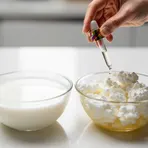
- The coagulator is used in cheese-making to help curdle the milk and separate the whey.
Examples
-
Blood banks use a chemical coagulator to ensure that stored samples do not bleed uncontrollably.
-
The surgeon employed an electrical coagulator during the operation to stop excessive bleeding.
-
The doctor used a coagulator during the surgery.
-
A coagulator can help stop excessive bleeding.
-
The surgeon used a coagulator to stop the bleeding during the operation.
-
A modern coagulator can quickly solidify blood to prevent excessive loss.
-
In the lab, the researchers tested a new coagulator to enhance the safety of surgical procedures.
Synonyms
 3
8.1
3
8.1
Something that makes a liquid like blood or milk become thick and form clots
 1
5.8
1
5.8
A substance in the blood that helps form clots

A protein made by some bacteria that makes blood or plasma clot
Surface Forms
Morphology
Etymology
The word coagulator comes from the Latin coagulum, meaning 'clot' or 'curd', and the prefix co- meaning 'together', and is related to the English verb coagulate. So a coagulator is something that helps parts come together into a 'clot' or thick mass, which is why it is used to stop bleeding or curdle milk.