
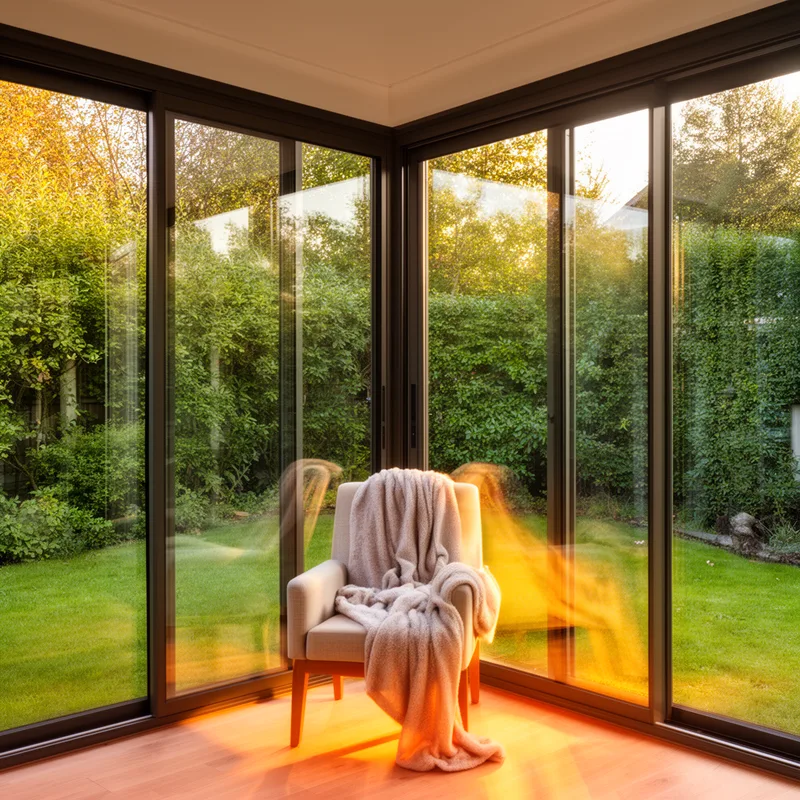
closed-in
 14
4.1
14
4.1

- adjective
- /kloʊzd ɪn/
- This place is closing in on me.
Loading YouTube…
Watch on YouTubeSomething is opening up a world that has been closed in upon itself.
- Something is opening up a world that has been closed in upon itself.
- And ultimately, you know, and I've been there in my life where I have felt like the road has closed in and it's left me feeling hopeless.
- Everything is kind of closed in on this, this castle.
Examples
-
I already told you, I don't want to be closed in.
-
I hate to feel closed in.
-
Something is opening up a world that has been closed in upon itself.
-
You see, I don't like being closed in.
-
The seating area he was in was closed in on three sides by Plexiglas.
Fiction book (1997) -
Instantly, she lowered the shade and the forest-green walls closed in around her again.
Fiction book (1995) -
The place has that plastic closed-in smell of new carpeting and new kitchen cabinets with cheap veneer.
Fiction book (1994) -
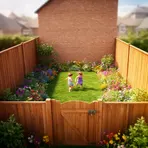
The garden was completely closed-in by high stone walls, creating a private oasis.
-
She felt closed-in in the small room without windows, longing for fresh air.
-
The dog was closed-in by a fence that surrounded the backyard on all sides.
Synonyms
 7
2.3
7
2.3
Surrounded by walls, like a city or garden
 6
3.8
6
3.8
An area surrounded by walls or barriers
 3
1.0
3
1.0
Shut so people cannot go in or see
 3
6.3
3
6.3
Unable to do things freely because of limits like walls or rules

 1
3.5
1
3.5
Something that is inside and surrounded by other things, like a garden or document

Surrounded on all sides by other things, often with no easy way out

A person or place with people and things all around

Kept in one small space and unable to leave
Antonyms

How Enclosed

Surface Forms
Morphology
Etymology
Closed-in comes from the words closed ('shut') and in ('inside'), so it literally means 'shut inside'. So, a closed-in room or garden is surrounded on all sides and kept away from the outside.