branchy

branchy

1 5.1
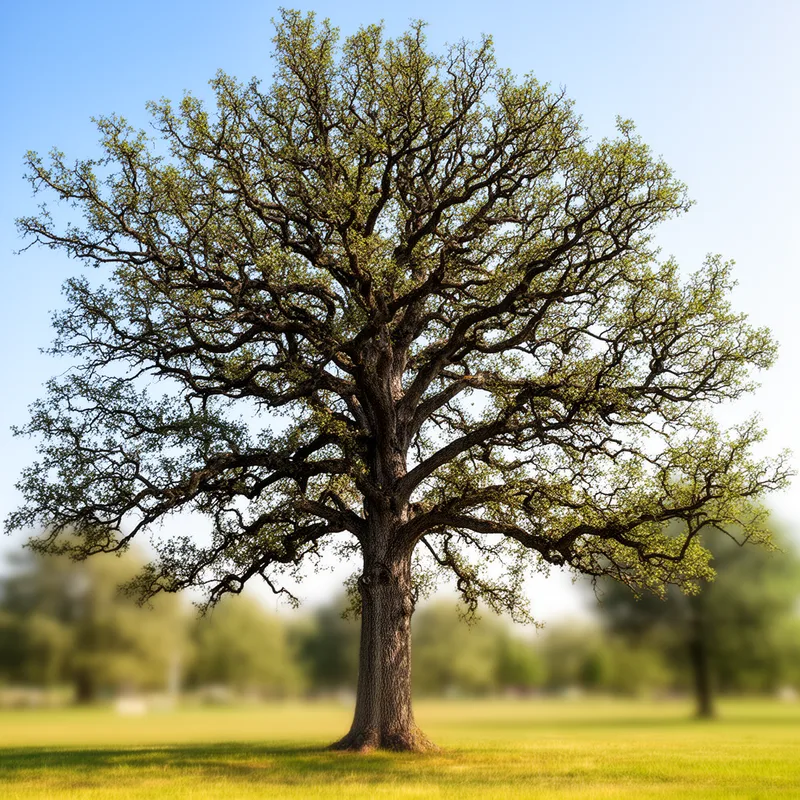
A tree or plant that has many branches
  • adjective
  • /ˈbræn.tʃi/
translation icon : ramificado
  • So they're just branch, branchy, like Erie trees.

So they're just branch, branchy, like Erie trees.

Examples

  • And that will encourage a really wide branchy plant with lots of stems.

  • And if he wants to kill himself faster, he should take that little sissy saw he's using and cut one of those branchy things propping the tree up farther up the trunk.

    Blog text (8)
  • The garden featured a branchy willow tree that provided plenty of shade.

  • The branchy bushes along the fence were full of colorful flowers.

  • Many birds build their nests in branchy trees to keep their young safe.

Synonyms

arborescent
vsbranchy
  • Specialized
1 9.9

Having the shape of a tree with many branches

refers to many individual branches rather than general tree form
treelike
vsbranchy
1 4.1

Having many branches like a tree

focuses on having many branches rather than merely looking tree-like
multibranched
vsbranchy
5.2

Having many parts that come out from one main part like a tree or coral
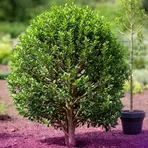
is the common everyday adjective for having many branches
well-branched
vsbranchy
4.0

Having many strong branches that make a plant look full

is the neutral word for simply having many branches
polyclad
vsbranchy
  • Specialized
9.7

Having many branches or parts, often in plants and body systems

is the general everyday term for having many branches
ramose
vsbranchy
  • Specialized
9.9

A plant or structure with many branches like a tree

means having many branches rather than just being branched
ramous
vsbranchy
  • Specialized
9.9

Having many branches like a tree

focuses on many branches while this is neutral about number
branched
vsbranchy
3.5

Having parts that split and spread out like a tree
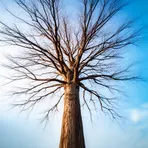
indicates many branches rather than just a single split
branching
vsbranchy
3.5

Having parts that spread out from a main part like a tree

emphasizes many distinct branches rather than merely a spreading form
brachiate
vsbranchy
  • Specialized
9.9

Having branches or arms that spread out from a main stem

implies many branches rather than just spread-out limbs
arboreous
vsbranchy
  • Specialized
9.9

Having the shape of a tree with branches

names having many branches specifically instead of just tree-like shape
arboreal
vsbranchy
  • Specialized
6.9

Having a shape with branches like a tree

focuses on the count of branches rather than general tree appearance
arboriform
vsbranchy
9.9

Shaped like a tree with branches

is used for many branches rather than only describing tree shape
arboresque
vsbranchy
9.9

Shaped like a tree with branches that spread out

highlights many branches specifically instead of mere tree resemblance
dendroid
vsbranchy
  • Specialized
9.9

Having a branching shape like a tree

means many separate branches rather than an overall tree-like pattern
dendroidal
vsbranchy
  • Specialized
9.9

Like a tree in shape because it has many branches

concerns many distinct branches rather than general tree resemblance

Antonyms

A tree or plant with no branches

How Branchy

branchy
1 5.1
branched
3.5

Surface Forms

branchy positive
branchier comparative
branchiest superlative

Morphology

branchy = branch (transparent) = branch + y

The adjective is directly formed from the noun 'branch' with the productive suffix '-y' meaning 'having or full of'.

Etymology

Branchy comes from the common word branch, meaning 'a tree limb', plus the ending -y, meaning 'full of', so it describes something that is 'full of branches'.