

arboriform
- adjective
- /ˈɑːrbərɪfɔːrm/
- The arboriform growth of the fungus made it easy to mistake for a tiny tree.
Examples
-
The coral reef was dominated by arboriform structures, providing shelter for many fish.
-
The arboriform design of the sculpture resembled a giant tree.
-
Scientists described the new mineral as having a distinctively arboriform appearance.
-
Many plants exhibit arboriform characteristics as they grow.
-
The design of the garden featured arboriform sculptures that mimicked the shape of trees.
-
The arboriform branches of the plant spread outwards, resembling a miniature tree.
-
During the hike, we encountered arboriform formations that reminded us of ancient forests.
Synonyms
 1
5.1
1
5.1

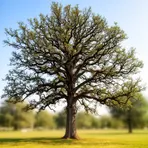
A tree or plant that has many branches


 1
4.1
1
4.1
Having many branches like a tree
 1
9.9
1
9.9
Having the shape of a tree with many branches

Like a tree in shape because it has many branches

Having a branching shape like a tree
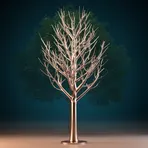
Having branches like a tree

Having a main trunk and branches that spread out like a tree

Shaped like a tree with branches that spread out

Having the shape of a tree with branches

Having a shape with branches like a tree

About trees or showing tree shapes
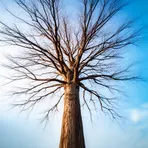
Having parts that spread out from a main part like a tree
How Tree-like

Surface Forms
Morphology
arboriform = arbor (semi-transparent) = arbor + iform
Formed regularly from 'arbor' (tree) + the suffix '-iform' (in the form of), but both elements are relatively rare and the suffix is less familiar to learners.
Etymology
Arboriform comes from the Latin root arbor meaning 'tree' and the ending -form meaning 'shape'. Picture something with many thin branches like a little tree, and you will remember that arboriform means 'tree-like' or 'tree-shaped'.