

branched
- adjective
- /brænʧt/
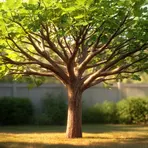
- The tree's branched limbs reached high into the sky, creating a lush canopy.
Loading YouTube…
Watch on YouTubeAbove her, the pink lightning is branched, forked in five places.
- Above her, the pink lightning is branched, forked in five places.
Examples
-
Above her, the pink lightning is branched, forked in five places.
-
As we walked through the forest, we admired the branched path that divided into several smaller trails.
-
Got these candles branched out a little bit and got green, but you know, we also had to get pink.
-
The result, of course, graining will be to fill up the whole volume of this branched structure.
-
And you see that as you make it more branched, it's an isomer, the same atoms, right?
-
Branched, nonseptate, broad hyphae were evident in this preparation.
Academic text (2004) -
And that within that trunk of that branching structure is the fetal vasculature is developing on the fetal side.
-
And that's kind of how you would deadhead larger blooms like dahlias, zinnias, branching sunflowers, things like that.
-
The artist created a stunning sculpture that featured a branched design, mimicking the natural flow of trees.
Synonyms
 1
5.1
1
5.1

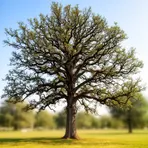
A tree or plant that has many branches


 1
4.2
1
4.2
Dividing into two or more branches, like a road that splits
 1
8.2
1
8.2
Split into two separate parts

Having branches like a tree or coral
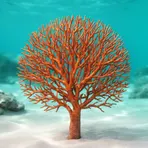
A plant or structure with many branches like a tree

Having many branches like a tree

Having branches or arms that spread out from a main stem

A thing with parts that split into two or more branches
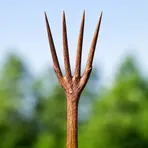
Having two or more pointy branches like a fork

A thing that has thin pointed parts that stick out like the points of a fork

Shaped like a fork with two thin branches

Split into two parts or branches, like a river

Having a forked or branched shape in a body part
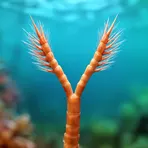
A limb or body part that has two separate branches

Shaped like a long thin part of a tree
Antonyms
Compounds


- Specialized
A genetic illness that makes urine smell like maple syrup and can damage the brain in young children

How Branched

Surface Forms
Morphology
Etymology
Branched comes from the simple word branch, which once meant an 'arm' or limb that reaches out. So something branched splits or forks into parts that spread out like arms from a tree, river, or coral.