

ramate
- adjective
- /ˈræmeɪt/
- Specialized
- Many corals have a ramate form, spreading their branches across the reef.
Examples
-
The ramate structure of the plant allowed it to grow in multiple directions.
-
Paleontologists described the fossil as having distinctly ramate appendages.
-
The tree has a ramate structure.
-
In botany, a ramate plant is often more resilient.
-
Many corals have a ramate form, spreading their branches across the reef.
-
Paleontologists described the fossil as having distinctly ramate appendages.
-
The ramate structure of the plant allowed it to grow in multiple directions.
Synonyms
 1
5.1
1
5.1

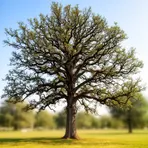
A tree or plant that has many branches

Having parts that split and spread out like a tree

Having many branches like a tree

A plant or structure with many branches like a tree

Having branches or arms that spread out from a main stem

Having parts that spread out from a main part like a tree

Shaped like a long thin part of a tree
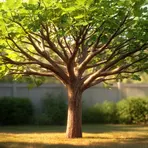
A plant or coral that has long branches
Antonyms

How Branched

Surface Forms
Morphology
ramate = ram + ate
The combining form 'ram-' is not a productive or familiar English base for most learners, so the meaning 'having branches' is not derivable by a typical B1 learner.
Etymology
The word ramate comes from the old Latin word ramus, which means 'branch' and is the same root behind the English word ramify ('to spread into branches'). So, think of a plant or coral that spreads out with many small branches, and you will remember ramate means 'having branches'.