

ramose
- adjective
- Specialized
- The scientist noted that the coral had a distinctly ramose structure.
Examples
-
This plant has a ramose structure that supports many leaves.
-
The ramose network of rivers supports a diverse ecosystem.
-
Certain types of algae exhibit a ramose pattern as they grow.
-
The ramose tree stood tall in the forest.
-
Certain types of algae exhibit a ramose pattern as they grow.
-
The ramose network of rivers supports a diverse ecosystem.
-
The scientist noted that the coral had a distinctly ramose structure.
Synonyms
 1
5.1
1
5.1

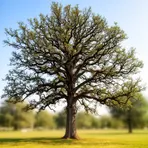
A tree or plant that has many branches

Having parts that split and spread out like a tree

Having many branches like a tree

Having branches like a tree or coral

Having parts that spread out from a main part like a tree

Having branches or arms that spread out from a main stem

Having many parts that come out from one main part like a tree or coral

Having many branches or parts, often in plants and body systems
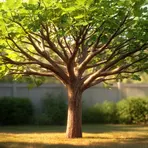
A plant or coral that has long branches
Antonyms
How Branched

Surface Forms
Morphology
ramose = ramo + ose
The adjective is built from a combining form meaning 'branch' plus the adjectival suffix '-ose'; however, the combining form is not a productive standalone English word and the item is rare, so learners may only partly infer the meaning.
Etymology
The word ramose comes from the Latin ramus, which means 'branch'. So ramose describes something 'having branches' or branch-like, like a tree, coral, or a river with many branches, and it shares the same root as the English word ramify.