

agamogenesis
- noun
- /ˌæɡəˈmoʊdʒənɪs/
- Specialized
- Many simple organisms, such as certain protozoa, reproduce through agamogenesis.
Examples
-
The study highlighted agamogenesis as an efficient way for some plants to propagate without seeds.
-
Scientists observe agamogenesis in environments where sexual reproduction may not be advantageous.
-
Some plants reproduce through agamogenesis.
-
The agamogenesis process is fascinating!
-
Many simple organisms, such as certain protozoa, reproduce through agamogenesis.
-
The study highlighted agamogenesis as an efficient way for some plants to propagate without seeds.
-
Scientists observe agamogenesis in environments where sexual reproduction may not be advantageous.
Synonyms
 1
9.9
1
9.9

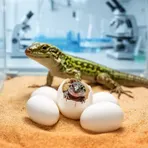
An egg grows into a new animal or plant without being fertilized

 1
4.6
1
4.6
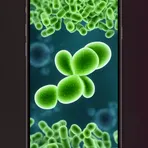
A way of making new living things from one parent without sex that makes identical copies

A way an egg grows into a new animal or plant without being fertilized

A way some plants make seeds without fertilization, for example dandelions

A way an egg develops into a baby without genes from the father

A way animals or simple organisms make new ones by growing a small bud that becomes separate

A way some simple animals or plants make a new living thing by growing a small bud

A way of making new living things without sex by producing and releasing spores
Surface Forms
Morphology
Etymology
Agamogenesis breaks into three parts: a- meaning 'without', gamo- meaning 'marriage', and -genesis meaning 'birth' or 'origin', so it literally means 'birth without marriage'. So, agamogenesis is reproduction that happens without the joining of sex cells, which is why it refers to asexual reproduction.