
gynogenesis
- noun
- /ˌɡɪnəˈdʒɛnɪsɪs/
- Specialized
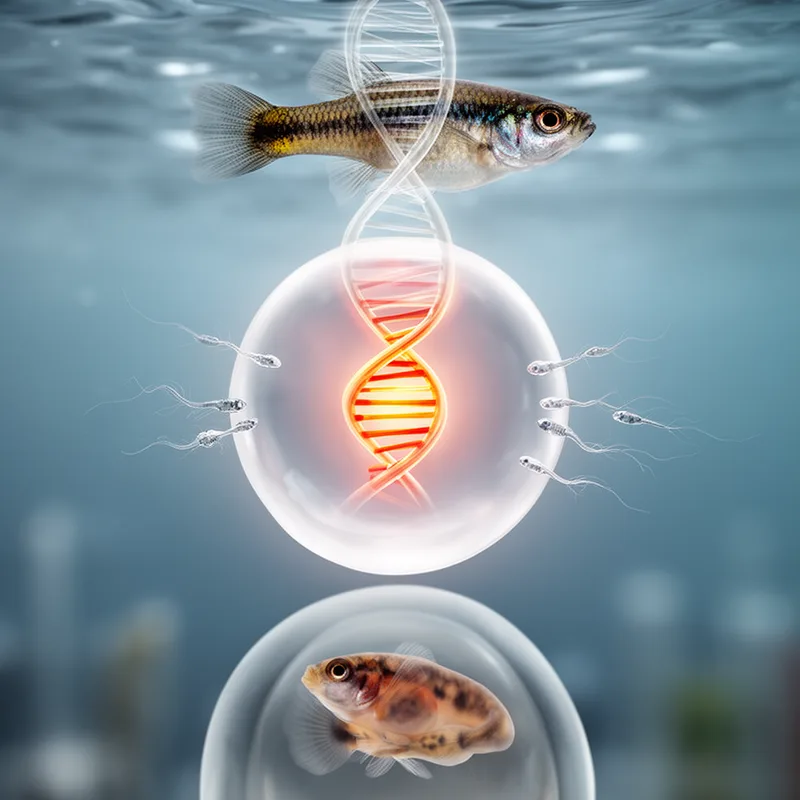
- In gynogenesis, the egg develops without any genetic material from the sperm being incorporated.
Examples
-
Some fish species are capable of gynogenesis, producing offspring that inherit genes only from the mother.
-
Scientists studied the process of gynogenesis to understand the mechanisms of uniparental inheritance.
-
Gynogenesis is fascinating.
-
What is gynogenesis?
-
In gynogenesis, the embryo develops from the female's egg without any genetic contribution from the male.
-
Some species of frogs reproduce through gynogenesis, where the offspring's genetic material comes solely from the mother.
-
Researchers observed that certain fish rely on gynogenesis to create entirely female populations, with no male fertilization needed.
Synonyms
 1
9.9
1
9.9

An egg grows into a new animal or plant without being fertilized

A way an egg grows into a new animal or plant without being fertilized
Surface Forms
Morphology
Etymology
Gynogenesis comes from the Greek parts gyno- meaning 'woman' or 'female' and -genesis meaning 'origin' or 'creation'. So gynogenesis is a type of reproduction where the egg makes a new life using only the mother's genes, with no genetic contribution from the father.