

aculeated
- adjective
- /əˈkjuːliˌeɪtɪd/
- Specialized
- The bee is an aculeated insect, capable of stinging predators.
Examples
-
The plant's aculeated leaves make it difficult for animals to eat.
-
Some caterpillars are aculeated and use their spines for defense.
-
The aculeated plant has sharp thorns that deter animals.
-
Many insects have aculeated body parts for defense.
-
Some caterpillars are aculeated, which helps them defend against predators with their sharp spines.
-
The bee is an aculeated insect, known for its ability to sting when threatened.
-
The plant's aculeated leaves are covered in sharp spines, making them unpalatable to herbivores.
Synonyms
 14
3.3
14
3.3

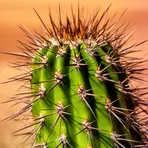
Covered with sharp points like thorns that can hurt to touch
 3
3.9
3
3.9
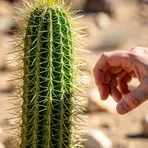
Covered with sharp points or thorns that can hurt you
 1
9.0
1
9.0
Having sharp pointed parts like thorns that protect a plant or animal
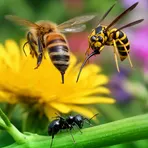
Having a sharp stinger or point like bees and wasps
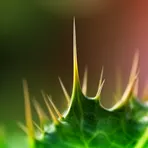
Shaped like a thin pointed spine or thorn
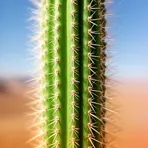
Having small sharp spines or thorns on the surface

Having sharp, pointed parts like quills or thorns on the body

Having leaves with sharp points that can hurt you

Long, very thin, and pointed like a needle
Antonyms

Compounds


How Pointed

Surface Forms
Morphology
aculeated = aculeate (opaque) = acule + ate + ed
The change from 'aculeate' to 'aculeated' is a regular adjectival/past-participial '-ed' formation and is straightforward.
Etymology
The word aculeated comes from the Latin word aculeus, which means 'small spine' or 'sting'. Think of the same sharp idea in the word acute ('sharp'): aculeated describes something with a little sharp point or many spines, like a plant or insect that can prick or sting.