

Toxicodendron


 1
9.9
1
9.9
- noun
- /ˌtɒksɪˈkoʊdɛnˌdrɒn/
- Specialized
- Toxicodendron species include poison ivy, poison oak, and poison sumac.
Examples
-
Researchers found a new Toxicodendron shrub growing in the forest.
-
Avoid touching Toxicodendron leaves, as they can cause severe skin irritation.
-
Be careful of Toxicodendron when hiking in the woods.
-
The Toxicodendron plant can cause severe rashes.
-
Avoid touching Toxicodendron leaves, as they can cause severe skin irritation.
-
The Toxicodendron plant can cause severe rashes.
-
Be careful of Toxicodendron when hiking in the woods.
Compounds

- Specialized
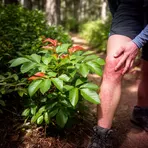
A shrub that causes an itchy skin rash when you touch it, called poison oak
- Specialized
A poisonous shrub on the Pacific coast of North America that causes an itchy rash when touched

- Specialized
A poisonous bush that causes a skin rash when you touch it

- Specialized
A climbing or spreading North American plant with three-part leaves that makes an oil causing a skin rash when touched

- Specialized
A small Asian tree that makes a poisonous sap used to make lacquer

- Specialized
A swamp bush with smooth branches and pale berries whose oil causes a skin rash
Surface Forms
Etymology
Toxicodendron comes from Greek parts toxikon 'poison' (seen in English toxic) and dendron 'tree', like the familiar plant name rhododendron. So Toxicodendron is basically a 'poison tree', which explains why plants in this group, such as poison ivy and poison oak, can cause skin irritation.