

Citrus aurantium
- noun
- /ˈsɪtrəs ɔˈrænʧəm/
- Specialized
- Spanish marmalade is traditionally made from the bitter fruit of Citrus aurantium.
Examples
-
Gardeners frequently use Citrus aurantium as a grafting stock for sweet orange trees.
-
The extract from Citrus aurantium is often used as a natural flavoring in liqueurs.
-
The Citrus aurantium tree produces sour fruit.
-
Have you ever tasted Citrus aurantium marmalade?
-
Gardeners frequently use Citrus aurantium as a grafting stock for sweet orange trees.
-
Spanish marmalade is traditionally made from the bitter fruit of Citrus aurantium.
-
The extract from Citrus aurantium is often used as a natural flavoring in liqueurs.
Synonyms


 1
6.5
1
6.5
A bitter sour orange used to make marmalade and to grow other citrus trees
 1
5.0
1
5.0
A tree that makes bitter oranges used as root for other orange trees and for marmalade
 1
8.5
1
8.5
A small tree with fragrant flowers and bitter, inedible fruit

A type of orange tree that produces small sour fruit and is used for grafting and marmalade

A small orange tree that makes sour fruit used for marmalade and to start new orange trees

A tree that produces sour oranges used for marmalade and grafting
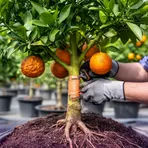
A type of orange tree that makes bitter fruit and is used to grow other orange trees
Surface Forms
Morphology
Citrus + aurantium
The genus name 'Citrus' clearly signals a citrus fruit/tree, and the epithet 'aurantium' derives from Latin roots meaning 'orange', so a learner who knows both constituents could infer this is a type of orange. However, 'aurantium' is a botanical/Latin term and the precise sense (bitter/Seville orange and its culinary/grafting uses) is specialized, so the overall meaning is only partly predictable.
Etymology
Citrus aurantium comes from Latin words: Citrus for the citrus fruit and aurantium meaning 'golden' or 'orange' because the fruit looks bright and orange. That's why the name points to the tree's bitter, orange fruit used for marmalade and flavoring.