
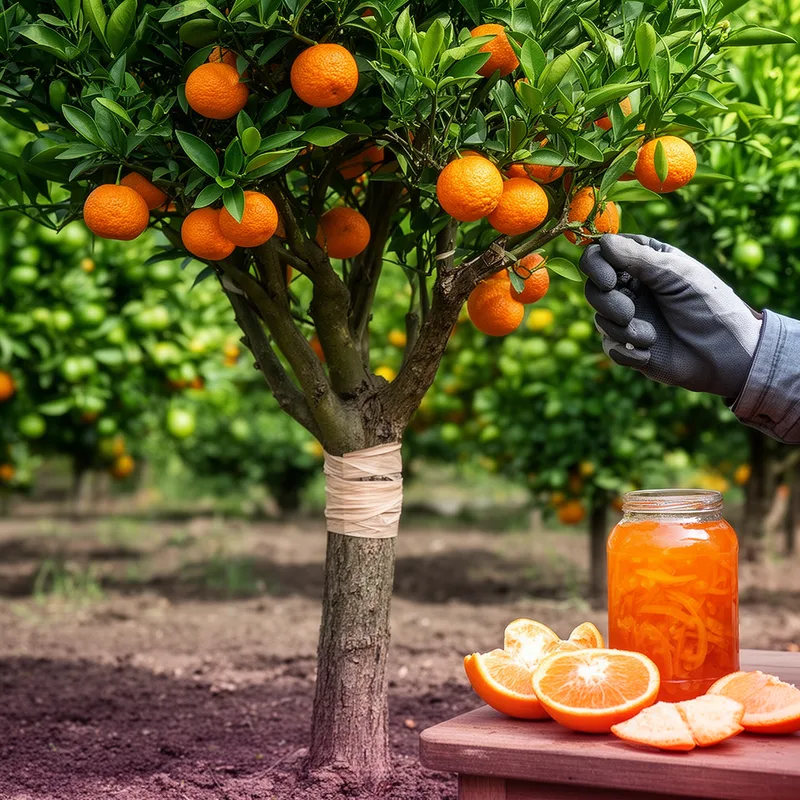
bitter orange
- noun
- /ˈbɪtər ˈɔrɪndʒ/
- Gardeners often use bitter orange as a rootstock for grafting other citrus varieties.
Examples
-
The bitter orange tree thrives in warm climates.
-
Gardeners often use bitter orange as a rootstock for grafting other citrus varieties.
-
The bitter orange is commonly used to make traditional English marmalade.
-
The peel of the bitter orange is valued in some herbal medicines.
-
Many chefs prefer using bitter oranges for their unique flavor.
-
The bitter orange is commonly used to make traditional English marmalade.
-
Many chefs prefer using bitter oranges for their unique flavor.
Synonyms


 1
6.5
1
6.5
A bitter sour orange used to make marmalade and to grow other citrus trees
 1
5.0
1
5.0
A tree that makes bitter oranges used as root for other orange trees and for marmalade

An orange tree with bitter fruit used for marmalade and flavoring

A tree that produces sour oranges used for marmalade and grafting
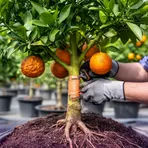
A type of orange tree that makes bitter fruit and is used to grow other orange trees

A small orange tree that makes sour fruit used for marmalade and to start new orange trees
Antonyms

Surface Forms
Morphology
The noun phrase denotes an orange (or orange tree/fruit) that has a bitter taste, which is directly and literally composed from 'bitter' (having an unpleasant/acrid taste) + 'orange' (the fruit/tree). This straightforward compositional meaning is cross-linguistically common and follows normal adjective + noun patterns, so a B1 learner who knows both constituents will readily infer the MWE's meaning.
Etymology
Bitter orange names the tree that makes a sour fruit: bitter points to the fruit's sharp taste and orange names the fruit it bears. The tree is often used as a root when grafting other citrus or to make 'marmalade', so the name refers to the tree that produces the bitter fruit.