
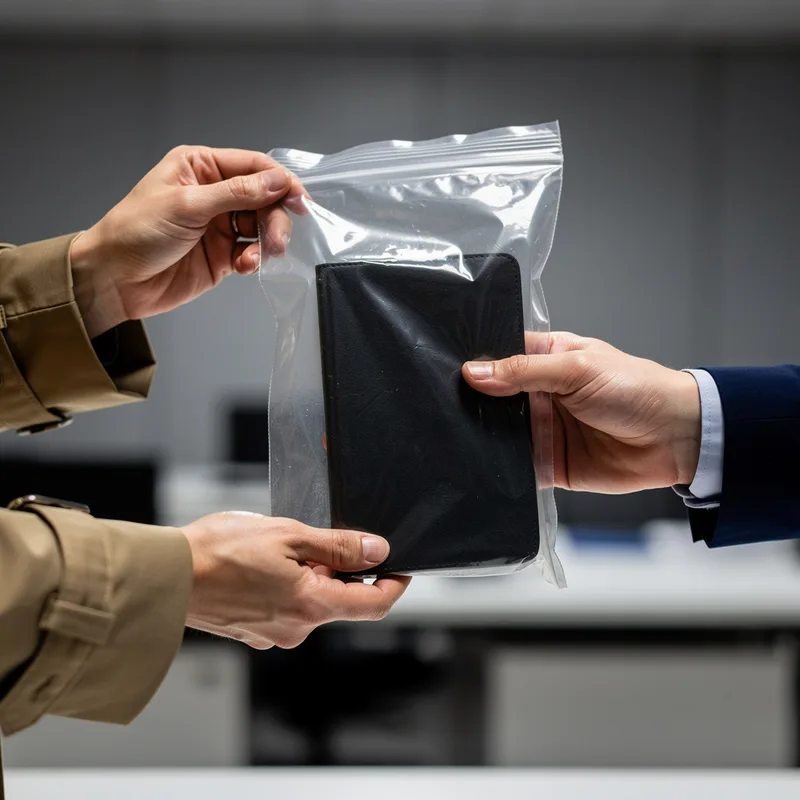
to turn over
 248
3.2
248
3.2

- phrasal verb
- /tɜrn ˈoʊvər/
- That was when England was going to turn Hong Kong over to the Chinese.
- turn over documents
- turn over evidence
- turn over data
Loading YouTube…
Watch on YouTubeAll right, let's, let's turn it over to our professional.
- All right, let's, let's turn it over to our professional.
- I mean, I'd like now to turn it over to Jen and Gabriel.
- I'm going to go ahead and turn it over to her.
- Everybody's been looking for it, but we found it and we've turned it over entirely to the Russians.
- or quitting, OK, just turn it over to them.
- You know, he's not going to he's not going to turn over the power structure that way.
- And then I turned it over to, you know, composer VFX score.
- Meadows and he has turned over those texts, quote, Mark.
Examples
-
There was no sense in turning the tape over to the authorities.
Fiction book (2000) -
After gathering all the evidence, the lawyer had to turn over the documents to the court.
-
Then turn him over to the cops.
-
The girl's parents were called, and the evidence was turned over to police.
Academic text (2000) -
Once, Cohen had a client who was required to turn over certain documents to a regulatory agency.
Academic text (1995) -
At the urging of the United States, Ukraine turned over its nuclear weapons to Russia for destruction.
Academic text (2004) -
However, by December 1990, the military had refused to turn over the government to the legitimately elected groups.
Academic text (1991) -
Sir, if you don't voluntarily turn the animal over, I'll arrest you and take the animal by force.
-
The police decided to turn over the case to a special task force for further investigation.
-
He chose to turn over his findings to the relevant authorities to ensure public safety.
Synonyms
 ∞
1.0
∞
1.0
To hand something to someone, for example a present
 ∞
1.7
∞
1.7
To let another person take care of something or someone
 ∞
1.0
∞
1.0
To give something to someone
 755
1.0
755
1.0
To give something to another person
 313
3.0
313
3.0
To hand someone or something to another person, an authority
 296
2.8
296
2.8
Give something to someone because you have to
 291
3.3
291
3.3
To give a person or thing to the police
 134
2.7
134
2.7
To give something to another person, often information or a message
 22
3.7
22
3.7
Give responsibility, control, or an object to another person
 18
4.9
18
4.9
Give ownership of something to another person by signing papers
Antonyms


How Willing

Surface Forms
Morphology
turn + over
The sense 'to think carefully about' is a metaphorical extension of the physical idea of 'turning' something 'over' (as if examining all sides). While learners who know 'turn' and 'over' may get a hint from this physical image, the mental/figurative reading is not fully predictable without exposure to the phrasal verb pattern, so it is only partially transparent.
Etymology
Turn over meaning to give something to another person comes from the literal act of turning an object into someone else's hands. That's why to turn over evidence or a child is to 'hand' them to another person or authority.