
to tromp
 8
6.3
8
6.3

- verb
- /trɑmp/
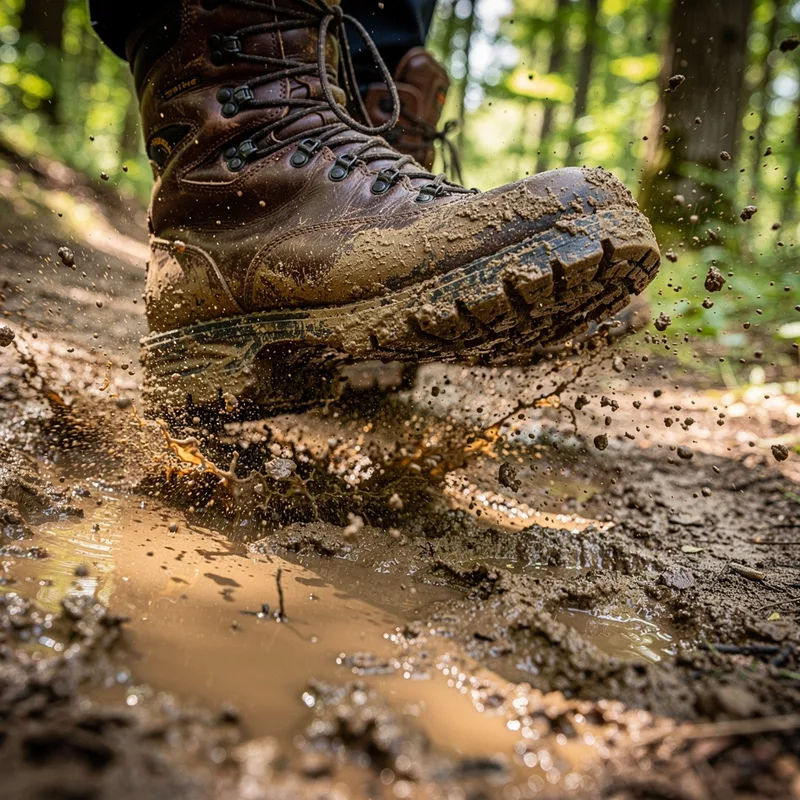
- The soldiers tromped through the muddy fields, their boots squelching with each heavy step.
- tromping around
- tromping up the stairs
- tromping through the woods
Examples
-
During the days, we make pottery, march through the woods, and tromp to the pool for swimming lessons.
Fiction book (1996) -
You sure you should be tromping through the woods like this?
-
After about ten minutes, they set off again, slower, and tromp as much around the path as on it.
Fiction book (1995) -
I tromped through the pumpkin patch.
-
Finally, I heard a gang of peasants tromping up the road.
Fiction book (1997) -
Watching him tromp loudly up the stairs, his mother couldn't really blame him.
Fiction book (1991) -
I hear Mr. Arnette's heavy footsteps come tromping up the stairs.
Fiction book (1994) -
Six miles of slip and slide, and we tromp into the tiny Maudlow post office to collect our backed-up mail.
Fiction book (1993) -
Gramma's down the row, tromping around in her straw hat and boots.
Fiction book (1992) -
Squat little chickadees bustling about near the stoop flew away as Joe tromped up the steps and knocked.
Fiction book (1993)
Synonyms
 144
2.9
144
2.9
To walk heavily and loudly to show anger or determination
 93
3.0
93
3.0
To step on something with your foot, often pressing down
 24
1.4
24
1.4
To walk with heavy, loud steps that make noise
 21
5.5
21
5.5
To walk slowly with heavy steps because you are tired
 11
3.1
11
3.1
To walk with heavy noisy steps that make a loud sound
 10
6.4
10
6.4
To walk with heavy, steady steps, often when tired
 4
7.5
4
7.5
To walk with heavy, noisy steps that make a loud sound
 4
5.5
4
5.5
To walk slowly with heavy steps because you are tired
 2
5.9
2
5.9
To walk with heavy noisy steps that show effort or anger
 2
4.9
2
4.9
To walk with heavy, clumsy, noisy steps
 1
9.9
1
9.9
To move in a heavy, noisy, and clumsy way
 1
5.3
1
5.3
To walk slowly with heavy steps, often through mud or when tired

To walk slowly and with effort over long or difficult ground
How Loud

Surface Forms
Etymology
Tromp as a verb is related to tramp and copies the heavy, noisy idea of walking 'to stamp' or 'crush' things underfoot. So to tromp is to walk with loud, heavy steps that make noise or press things down.