
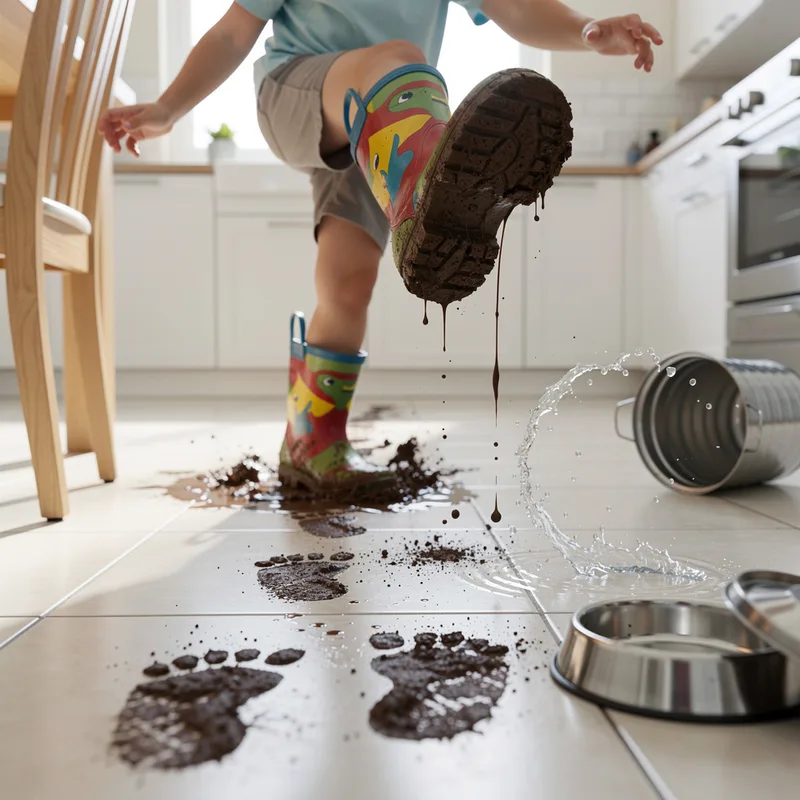
to galumph
 1
9.9
1
9.9

- verb
- /ɡəˈlʌmf/
- Informal
- After the rain, the children galumphed through the puddles, laughing and splashing water everywhere.
- came galumphing
- went galumphing
- galumphing back
Examples
-
"Do you think it's angry at us?" I turned to the beast that galumphed patiently after us.
Fiction book (1999) -
Why, right at this very minute, King Rayden is there on the road in front of us, galumphing around on that horse of his with his eyes peeled for a first view of the chimneys of Gepeth.
Fiction book (1995) -
Don't galumph, she says, steady.
Fiction book (1998) -
Pa yells them off, and they galumph over to the far south fence and stand there.
Fiction book (1998) -
Let him, and he would implant new parts and have you galumphing around forever.
Fiction book (1990) -
They shove, they galumph by with their feet and huge bags, in a way they would not to a person just standing there or sitting in a chair.
Blog text (2) -
She'll come galumphing back.
-
For the war, we donned black leotards and galumphed across the stage; then we changed to purple and swept toward each other with elegance and grace; then we crumpled apart.
Fiction book (1998) -
The large dog galumphed through the garden, knocking over flower pots.
-
He galumphed down the stairs, his heavy boots thudding against each step.
Synonyms
 49
4.0
49
4.0
Walk in an unsteady way as if about to fall
 45
3.8
45
3.8
To walk by dragging your feet along the ground
 22
4.1
22
4.1
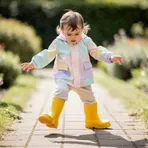
To walk with short steps and a clumsy side to side movement like a duck
 18
5.4
18
5.4
To move in a clumsy, confused way
 11
3.1
11
3.1
To walk with heavy noisy steps that make a loud sound
 10
5.3
10
5.3
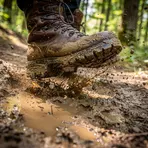
To walk with a soft, wet sucking sound through mud
 8
6.3
8
6.3
To walk with heavy noisy steps that make loud sounds
 4
7.9
4
7.9
To walk awkwardly while dragging your feet
 4
7.5
4
7.5
To walk with heavy, noisy steps that make a loud sound
 4
5.5
4
5.5
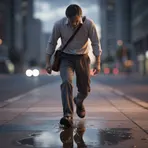
To walk slowly with heavy steps because you are tired
 2
5.9
2
5.9
To walk with heavy noisy steps that show effort or anger
 2
4.9
2
4.9
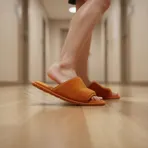
To walk with heavy, clumsy, noisy steps
 1
3.7
1
3.7
To move by dragging the feet and making soft noises
 1
4.2
1
4.2
To move in a rough, unsteady way while being knocked or pushed


 1
7.4
1
7.4
To walk through mud or water and make a splashing sound

To move slowly and awkwardly while carrying something heavy

To walk with an awkward, relaxed bounce

To move unsteadily while rolling from side to side
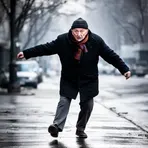
To walk in a wobbly way as if about to fall
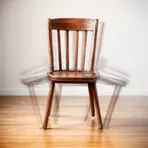
To move unsteadily from side to side
How Clumsy

Surface Forms
Etymology
Galumph was invented by the writer Lewis Carroll as a playful mix of gallop ('to run fast') and triumph ('to show joy'), so the word feels like a loud, proud, heavy running. So, to galumph is to move in a clumsy, noisy way.