
transpiration
- noun
- /ˌtrænspəˈreɪʃən/
- Specialized
- Farmers understand that transpiration from crops can significantly affect local humidity levels during hot weather.
Examples
-
The skin would be a porous material that produces quasi-transpiration cooling.
Academic text (1995) -
Extensive removal of trees by elephants on the largest island of the delta, Chiefs Island, and elsewhere may result in major rises in the salinity of the channels, through changes in water moved through transpiration.
Academic text (2009) -
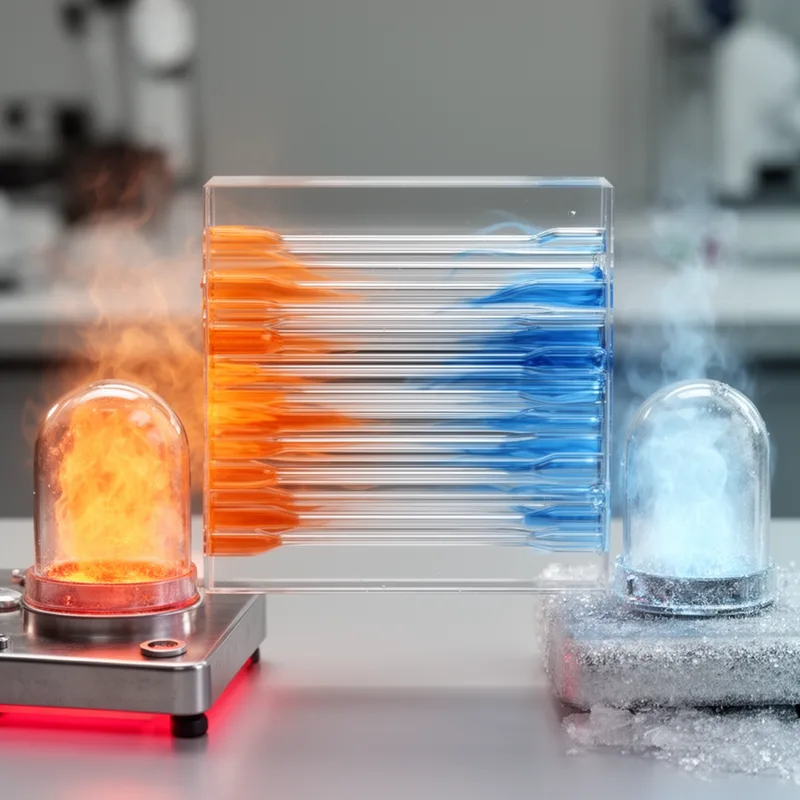
Wheeler TD, Stroock AD. 2008. The transpiration of water at negative pressures in a synthetic tree. Nature 455: 208-212.
Academic text (2010) -
The process of transpiration helps maintain the water cycle by moving moisture from the soil to the atmosphere.
-
Plants rely on transpiration to absorb water from the soil and release excess moisture into the air.
Synonyms
 7
8.5
7
8.5

A flow of liquid or gas out through a small opening

When plants lose water from their leaves as vapor

Fluid slowly moving through a vessel or membrane because of pressure, not inflammation
How Strong
- Specialized
21
5.1

- Specialized
188
1.0
331
2.9
38
3.5
Surface Forms
Morphology
Etymology
Transpiration comes from Latin parts trans- 'across' and spirare 'to breathe', the same root as in respire. Think of it as 'breathing across' — gases moving through tiny tubes or pores, which is why engineers use the word for that flow.