
transpiration
5.8
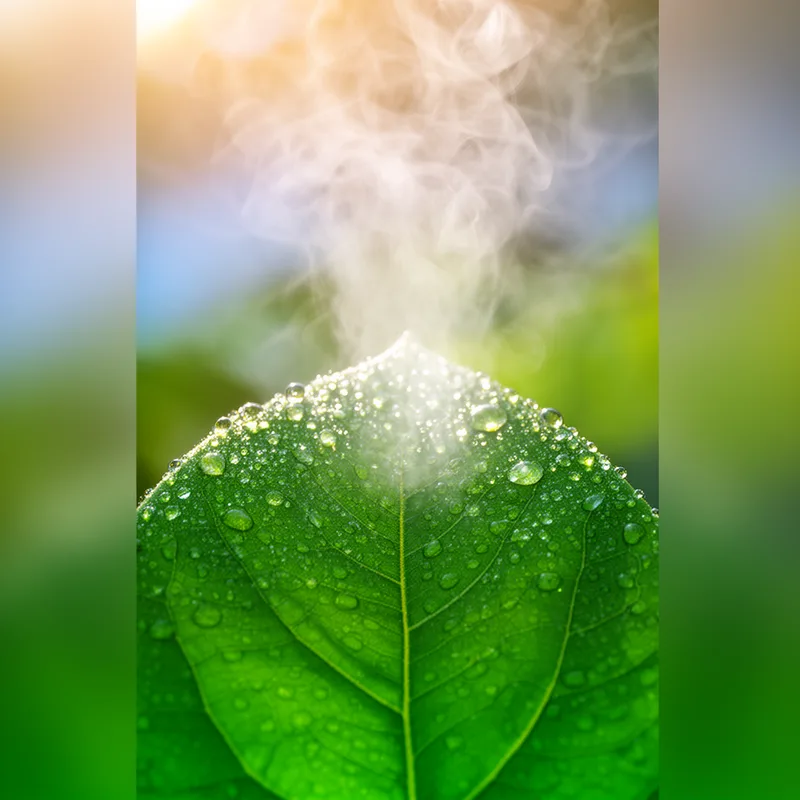
Giving off water vapor through the skin or leaf surfaces
- noun
- /ˌtrænspəˈreɪʃən/
- Specialized
:
transpiración
- Now I grant you that chopping down trees in the Amazon will reduce the size of the forest, and that the more you reduce transpiration rates by plant life, the less likely you are to enjoy daily thunderstorms. Although with a monstrous outflow like the Amazon, you'll need to cut a huge amount of the forest down before you don't get any storms downstream.
Examples
-
On hot days, the rate of transpiration in leaves increases, allowing plants to lose heat and absorb more moisture.
-
Transpiration is essential for transpiration in plants, as it helps regulate their temperature and enables nutrient uptake.
-
During the summer, high levels of transpiration can lead to a noticeable decrease in soil moisture around plants.
Synonyms

9.5
When plants lose water from their leaves as vapor
is the full term rather than a shortened written form
How Much
desiccation
 2
8.6
2
8.6
- Specialized
2
8.6


evaporation
15
3.2
- Specialized
15
3.2
transpiration
- Specialized
perspiration
7
3.0
- Specialized
7
3.0
Surface Forms
transpiration singular
transpirations plural
Morphology
Etymology
Transpiration comes from Latin parts trans- 'across' and spirare 'to breathe', the same root as in respire. A helpful image is the body or a leaf 'breathing out' water through the skin or surface, which explains why we call that cooling process transpiration.