

effusion
 7
8.5
7
8.5

- noun
- /ɪˈfjuːʒən/
- Specialized
- The doctor explained that the pleural effusion was causing the patient's breathing difficulties.
- ear effusion
- pleural effusion
- middle-ear effusion
Examples
-
Chronic ear effusion is a common reason for a child's admission to a surgical hospital.
Academic text (1992) -
There's no pleural effusion or pneumothorax, and there's no acute osseous abnormalities.
-
Persistent OME was defined as the presence of effusion for at least 3 months.
Academic text (2000) -
Missing the joint capsule may result in an effusion that must be aspirated.
Academic text (2002) -
Clear middle ear effusion or otorrhea should alert the physician to this possibility.
Academic text (2005) -
No evidence of pneumothorax or pleural effusion was seen.
Academic text (2006) -
Several surgical procedures reduce OME-induced hearing loss, but they do not always cure persistent bilateral effusion.
Academic text (2001) -
Evidence of biofilm formation in chronic middle ear effusion is beginning to shed light on many of these mysteries.
Academic text (2003) -
Bacterial DNA has been identified in culture-negative middle ear effusions in the past.
Academic text (2003) -
Hearing loss and consequent speech pathology can result from chronic ear infections or effusions in young children.
Academic text (1992)
Synonyms
 188
1.0
188
1.0
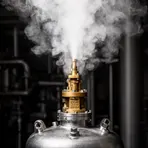
A steady movement of liquid or gas
 114
3.9
114
3.9
A device that lets gas or steam leave a container
 15
3.1
15
3.1
The accidental escape of liquid or gas from a container through a hole
 13
4.6
13
4.6
Movement of water, gas or money out of a place
 1
9.3
1
9.3
The flow of liquid waste out of a place like a factory


 1
9.9
1
9.9
A flow of something out of a place, like water or chemicals
Antonyms


Compounds


How Forceful

Surface Forms
Morphology
Etymology
Effusion comes from Latin parts ex- 'out' and fundere 'to pour', so it means a 'pouring out'. That's why in science and medicine an effusion is fluid or gas that has 'poured out' into a place it should not be, like fluid in the chest.