
to drift
 331
2.9
331
2.9

- verb
- /drɪft/
- He felt his thoughts drift away while staring at the clouds on a lazy afternoon.
- drift away
- drift apart
- drift back
Loading YouTube…
Watch on YouTubeYou don't want things just to seem to drift off into the ether.
- You don't want things just to seem to drift off into the ether.
- And as the alarm turns off, your brain then drifts back into sleep.
- And but I had drifted out of of that at that point.
- I can feel the shadow of the planet Mercury drift across the failing fire.
- And as a result, Germany drifted into this place next to France.
- Nah, I drift through, I drift through life without structure.
- What does it mean to drift between this life and the afterlife?
- I just saw three dark cars just sort of drift by the door just for the little slot.
- YouTube got on the paddle board and then somehow drifted into the bushes.
- I worry that we've drifted off from the central point of this video.
Examples
-
And without purpose, I'm just drifting like a river...
-
"Poor and homeless, they hopped from train to train and drifted from town to town.
Academic text (2011) -
Nah, I drift through, I drift through life without structure.
-
And if you feel yourself drift, just gently come back.
-
I just saw three dark cars just sort of drift by the door just for the little slot.
-
Drift through the days full of nothing but peace and quiet.
-
Just before I reached my room, music drifted down to me from the top floor.
Fiction book (1990) -
Gibson said he had drifted from job to job, working construction and cooking in restaurants.
Academic text (2011) -
You know, dear, we're drifting apart, you and I... and I don't like it.
-
The bishops lament that the unemployment rate has generally drifted upward since World War II.
Academic text (1990)
Synonyms
 ∞
1.0
∞
1.0
Change position or place
 645
1.0
645
1.0
To stay or move on water without sinking, sometimes in the air
 379
1.3
379
1.3
Move around without a fixed direction, often slowly and in curves
 189
2.5
189
2.5
Move around without a fixed place, often while looking for something
 100
2.0
100
2.0
To move from place to place without a fixed home or plan
 70
2.8
70
2.8
To move away from the correct place or path and wander
 25
3.3
25
3.3
To move or travel freely over an area
 22
6.4
22
6.4
To travel around without a fixed plan, often looking for something
 15
3.2
15
3.2
Move slowly through the air or water until out of sight
 14
4.4
14
4.4
To walk for pleasure without a fixed route
 6
6.3
6
6.3
To be carried along by water or wind without control
 3
7.9
3
7.9
To move around in a relaxed, aimless way without a fixed plan

To float without control and with no clear direction, as a boat or a group's plans
Antonyms


Phrasal Verbs




Compounds


How Directed

Surface Forms
Etymology
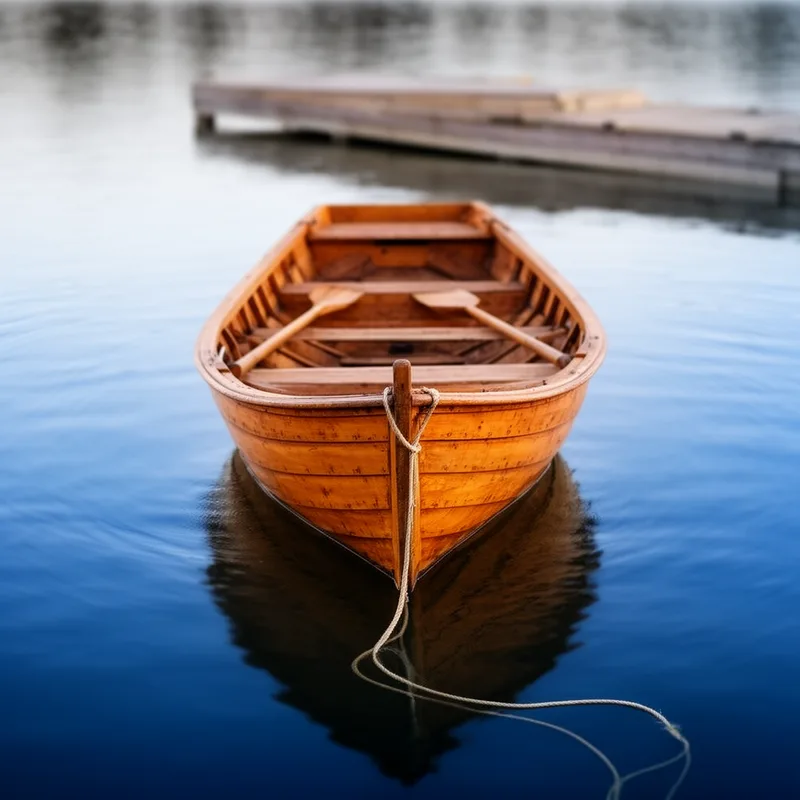
Drift comes from an old Norse word meaning 'to drive', so imagine a small boat being carried by a current; to drift is to move slowly with the air or water, often without a clear direction.