
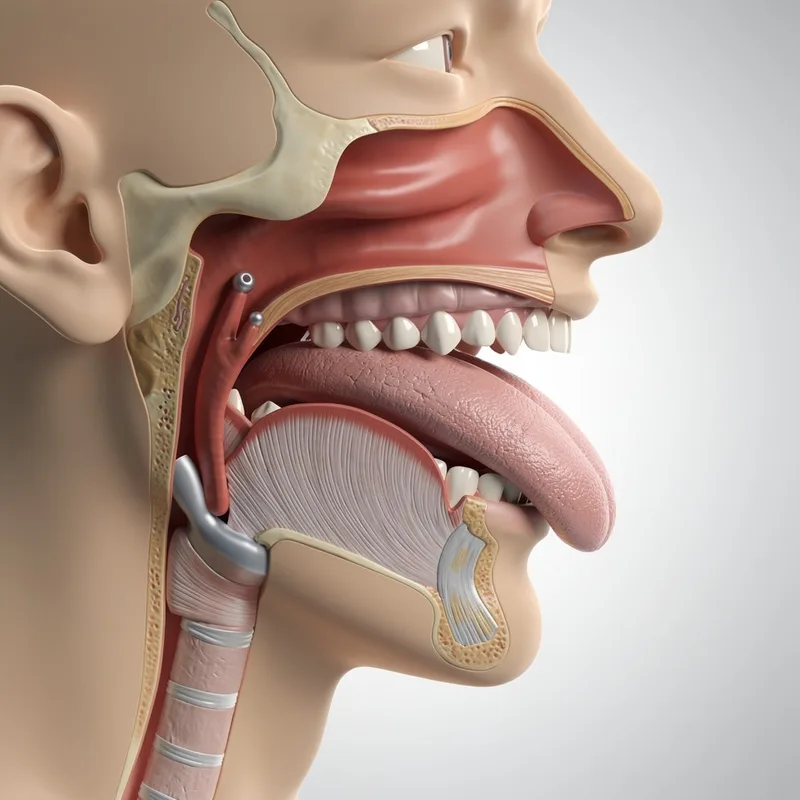
tense
 33
8.8
33
8.8

- adjective
- /tɛns/
- Specialized
- When practicing pronunciation, focus on the tense vowel sounds to improve clarity.
- tense vowel
- tense-lax vowels
- tense-lax vowel pair
Examples
-
I just feel so tense.
-
We sat for a time in a tense and strange silence.
Fiction book (2000) -
In the homes where substance abuse is the norm, this intensifies an already tense and emotionally charged environment.
Academic text (2003) -
Untargeted resources channeled into tense environments could even wind up making the conflict worse.
Academic text (2005) -
In English, the teacher establishes the tense—such as present or past—and calls the infinitive "to speak."
Academic text (2012) -
The teacher explained how to form the future tense in English grammar.
-
In this exercise, you will practice recognizing the present tense of regular verbs.
Synonyms

Speech sounds that use more muscle tightness, often vowels
Antonyms
Compounds




- Specialized

 1
4.2
1
4.2
A verb form that shows an action finished before now or another event

- Specialized
1
8.9
A verb form showing one past action happened before another past action


- Specialized
A verb form that shows an action will finish before a future time

- Specialized
A verb form showing an action that will be happening at a certain time in the future

- Specialized
To talk about past actions that happened often or were still happening


- Specialized
A verb form for an action that finished before another past action

- Specialized
Shows an action that was happening at a certain time in the past

- Specialized
An ending or small change to a verb that shows it happened before now

- Specialized
A verb form that shows an action has finished and focuses on the result

- Specialized
A verb tense used to talk about actions that happened before now and still matter


- Specialized
A small ending added to a verb to show present time, like the -s in runs

How Tense
- Specialized
33
8.8

- Specialized
1
8.3
Surface Forms
Etymology
Tense for vowels comes from the same root tendere 'to stretch', like in the word tension, because a tense vowel uses more muscle stretch in the tongue than a lax vowel. So tense vowels sound and feel a little tighter or longer.