

suffocating
 1
5.1
1
5.1

- adjective
- /ˈsʌfəˌkeɪtɪŋ/
- And that was a stupid and suffocating way to live.
- feel suffocating
Loading YouTube…
Watch on YouTubeSilence does not seem as suffocating because I wait patiently while she strains to find each word.
- Silence does not seem as suffocating because I wait patiently while she strains to find each word.
- this like omnipresent, like suffocating again, like top down
- They don't do it because the the the desire is to create a completely suffocating.
Examples
-
It was life, the pangs of life, this awful, suffocating feeling; it was the last blow life could deal him.
Blog text (6) -
This is too suffocating.
-
This bitter sweet heat is suffocating, waiting and always hesitating.
-
It is covered by a dark, suffocating film, like a mask.
Fiction book (1990) -
I'd say the best way to start doing that is to take a look at other spaces that are less suffocating and sterile.
Blog text (26) -
Silence does not seem as suffocating because I wait patiently while she strains to find each word.
-
It's downright suffocating, and I've gone through severe periods of depression over it.
Blog text (14) -
It was cool inside, cool and a little dank, which might have been refreshing but somehow managed to feel twice as suffocating as the heat.
Fiction book (1995) -
I would find it so suffocating and abusive (for me), and if my daughter were in one of these, I'd never get a moment's peace until she broke free.
Blog text (25) -
The room felt suffocating because there was no open window to let in fresh air.
Synonyms
 29
3.4
29
3.4
Too warm and without fresh air
 15
6.7
15
6.7
A small, closed space that makes you feel trapped
 13
2.7
13
2.7
A room with little fresh air that feels uncomfortable to breathe in
 4
5.3
4
5.3
Very hot, close air that makes it hard to breathe
 2
4.7
2
4.7
A place with no air where you cannot breathe
 1
6.3
1
6.3
A room with no fresh air moving in


 1
6.7
1
6.7
Thick hot air that makes it hard to breathe
 1
5.0
1
5.0
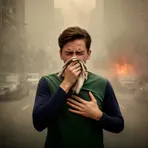
Making it hard to breathe because of smoke, dust, heat, or lack of fresh air
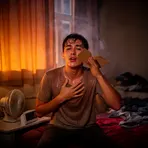
Hot, heavy air that makes it hard to breathe

Making it very hard to breathe because there is not enough air

Too closed to let in fresh air

Material that does not let air through, making you feel hot and damp
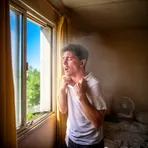
Air that is very close and makes it hard to breathe
Antonyms

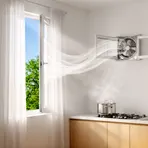
How Stifling

Surface Forms
Morphology
Etymology
Suffocating comes from the verb suffocate, which originally meant 'to choke' or 'to smother'. So, a suffocating place 'chokes' you by keeping out fresh air and making it hard to breathe.